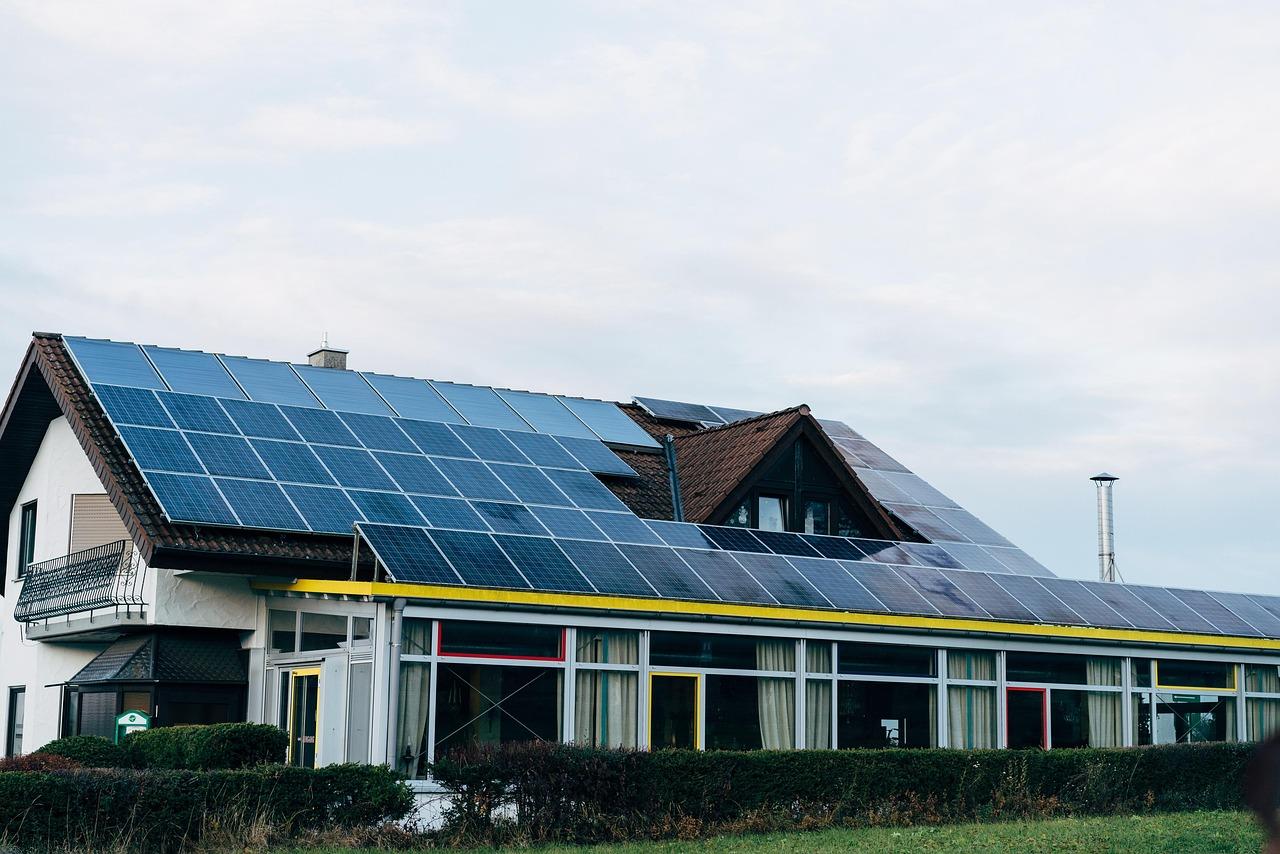
When you're on the hunt for the best solar panels, knowing what features to look for can make all the difference. You want panels that not only fit your needs but also last for years. Here are the top features to check out:
Efficiency Rating: This is a big one. The efficiency rating tells you how well the panel converts sunlight into electricity. Look for panels with a high efficiency rating, usually above 20%. The higher the efficiency, the more power you can produce in a limited space.
Durability: Solar panels need to withstand weather conditions, so check the materials and construction. Look for panels with a strong frame and a good warranty. Many top brands offer warranties of 25 years or more, so you're not left in the dark if something goes wrong.
Temperature Coefficient: This number shows how much the panel's performance drops as the temperature rises. A lower temperature coefficient means better performance in the heat. If you live in a warm area, you definitely want to pay attention to this feature when searching for the best solar panels.
Home Compatibility: Not all solar panels fit every home. Check the size and weight of the panels to make sure they’ll work with your roof type. Some panels might look fancy but may not be the best fit for your needs. Always consider your roof's angle and shading. The best solar panels shouldn’t just be powerful; they should also fit seamlessly into your home.
Types of Solar Panels Explained Simply
Choosing the right solar panel can feel a bit overwhelming, but it doesn’t have to be. Let’s break down the types of solar panels so you can find the best solar panels for your home.
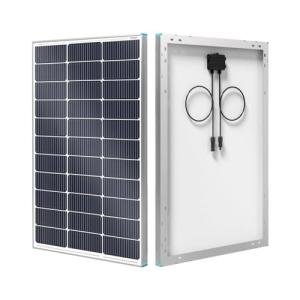
Monocrystalline Solar Panels are a popular choice. These panels are made from a single crystal structure, which means they’re super efficient and take up less space. If you’re looking for maximum power output and your roof space is limited, these might be your best bet.
Polycrystalline Solar Panels are another option. They are made from multiple crystal structures and are generally a bit less efficient than monocrystalline panels. However, they usually come at a lower price point. If you have plenty of space and a tighter budget, polycrystalline panels could meet your needs.
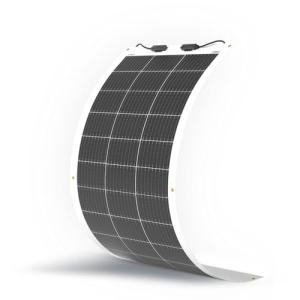
Thin-Film Solar Panels are the lightweight champions. These are flexible and can be installed in a variety of ways, plus they perform well in low-light conditions. They’re not as efficient as the other two types, but if you need something versatile and have a larger area to cover, thin-film panels are worth looking into.
Each type of solar panel has its pros and cons, so think about what matters most to you—efficiency, space, or budget. Understanding these basics will help you make a smart choice and find the best solar panels for your home.
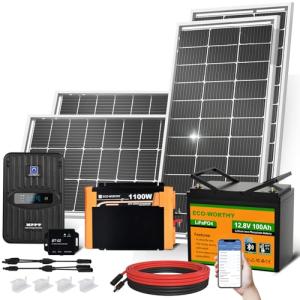
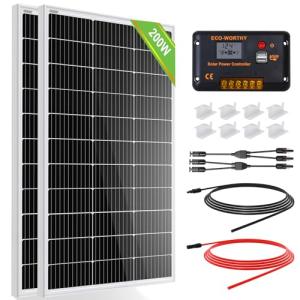
ECO-WORTHY 400W Complete Off-Grid Solar Kit
Everything you need to harness the sun’s power and live sustainably
Product information
$1,094.99
Product Review Score
4.73 out of 5 stars
87 reviewsProduct links
How to Choose the Right Size
Choosing the right size solar panel system for your home is easier than you might think. The key is understanding your energy needs and how much sunlight your area gets. Start by checking your electricity bills for the past year. This gives you a clear idea of how much energy you use each month.
Next, consider the sunlight your roof receives. If you’re in a sunny area, smaller panels can still do a great job. If your roof has some shade or gets less sun, you might need a larger system to meet your needs. There are tools and apps that can help you estimate the sunlight hours for your specific location.
Once you have a handle on your energy consumption and sunlight availability, it’s time to look at your options. The best solar panels come in various sizes and capacities. Some panels are designed for homes with higher energy demands, while others are perfect for smaller households. Don't forget about efficiency ratings. Higher efficiency panels can produce more power in less space, making them a great option if you have limited roof space.
Finally, think about your budget. While it can be tempting to go big, sometimes a smaller, high-quality system can be the best solar panels for your needs. Plus, consider any local incentives or rebates to make your investment even smarter. Choosing the right size solar panel system will help you maximize savings and keep your home powered sustainably.
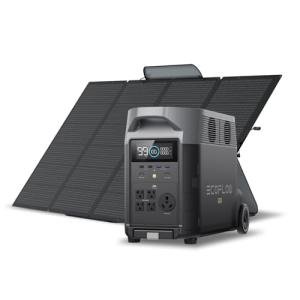
EF ECOFLOW DELTA Pro Solar Generator and Panel
Power your adventures and home with the ultimate portable solar solution that keeps you connected anytime, anywhere
Product information
$3,999.00
Product Review Score
4.36 out of 5 stars
144 reviewsProduct links
Installation Tips for Your Solar System
Installing your solar system can be a fun adventure! Here are some tips to make sure you nail it.
First off, pick the right spot for your panels. You want them to soak up as much sunlight as possible. Look for areas on your roof that get plenty of sun without any trees or buildings casting shadows. If your roof isn’t the best location, consider ground-mounted options. They can work just as well and are often easier to access!
Next, check your roof's condition. If it’s old or needs repairs, take care of that before installing solar panels. You don’t want to deal with removing them later to fix leaks or damage. Also, think about the angle and tilt. The best solar panels perform even better when they’re tilted at the right angle toward the sun.
Don’t forget to look into local regulations and permits. Some areas might have specific rules about installations. You’ll want to ensure everything’s up to code. If it feels overwhelming, hiring a pro can save you time and headaches. They know the ins and outs and can get your setup running smoothly.
Lastly, consider your energy needs. Calculate how much energy you typically use and match that with the best solar panels for your situation. This way, you’ll ensure you’re getting the right system to meet your needs without overspending. Happy installing!