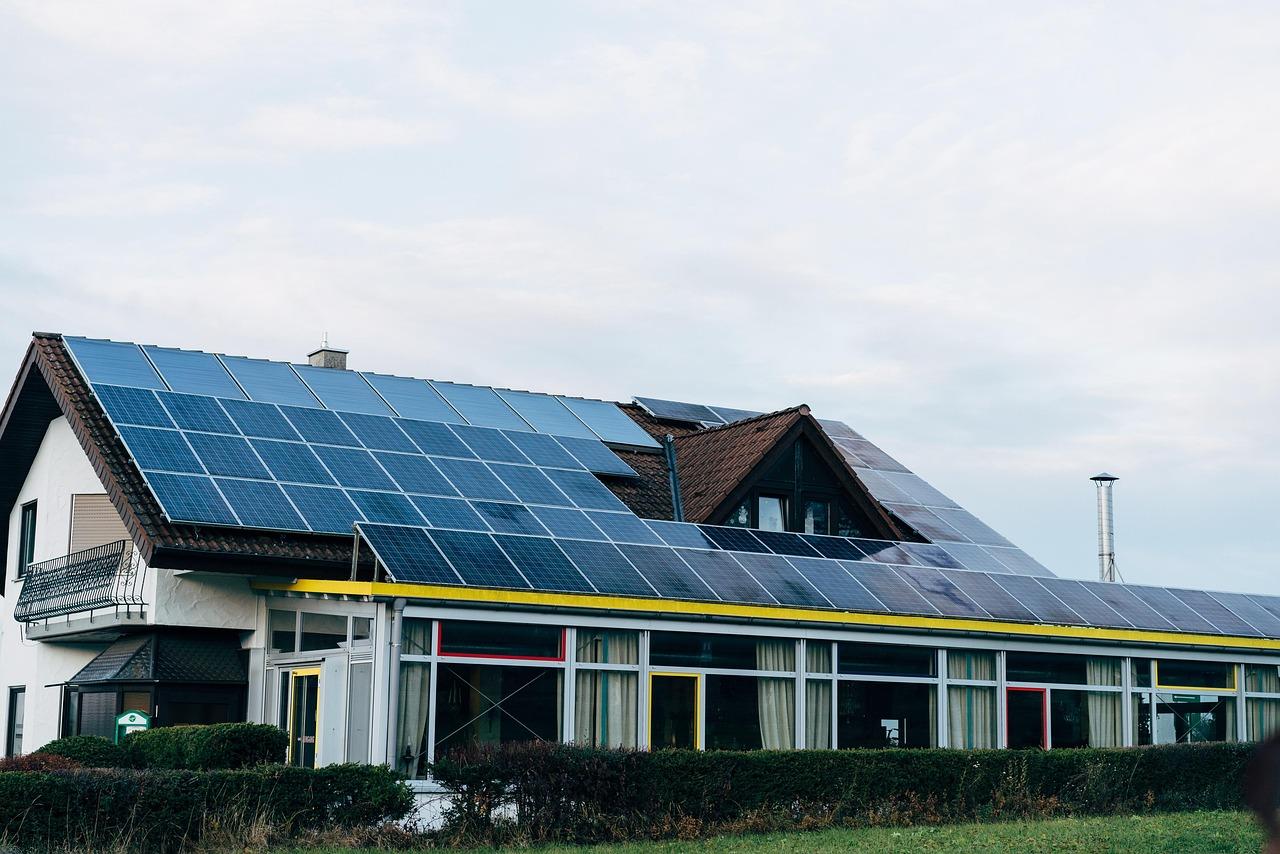
When diving into the world of solar panels, it’s important to know the different types out there. Each type has its pros and cons, and knowing them helps you choose the best solar panels for your home.
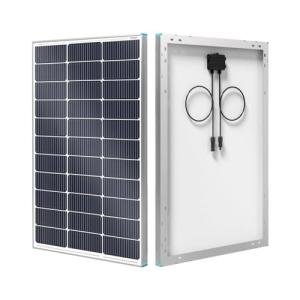
First up, we have monocrystalline panels. These beauties are made from a single crystal structure, making them super efficient. They usually take up less space while providing more energy. If you’re short on roof space and still want strong performance, these might be your best bet.
Next, you’ll find polycrystalline panels. They’re a bit less efficient than monocrystalline, but they often come at a lower price point. They’re made from multiple crystal structures, giving them a speckled look. If you’re on a budget but still want solid solar energy, polycrystalline could be the way to go.
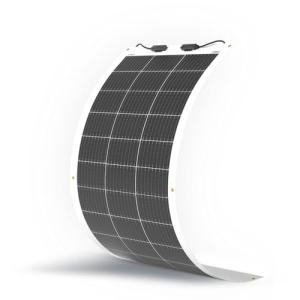
Then we have thin-film panels. These are lightweight and flexible, which makes them easy to install on various surfaces. They aren’t as efficient as the other two types, but their flexibility can be a big plus in certain situations. If you’re looking for versatility, thin-film could be your answer.
Understanding these types helps you make the right choice. Whether you want efficiency, cost-effectiveness, or flexibility, knowing your options paves the way to finding the best solar panels for your home. It’s all about matching the panels with your needs and energy goals.
How to Calculate Your Energy Needs
Calculating your energy needs is the first step in figuring out what the best solar panels are for your home. It sounds complicated, but it’s pretty straightforward. You’ll want to know how much energy you use monthly in kilowatt-hours (kWh). You can find this number on your electric bill. Look for a section labeled "usage" or "electricity consumption." This gives you a solid starting point.
Next, jot down your average daily usage. Just take that monthly number and divide it by 30. For example, if you use 600 kWh a month, your daily use is around 20 kWh. This figure is crucial because it helps you understand how much solar energy you'll need to generate to meet your requirements.
Now, consider factors like your location and sunlight availability. The amount of sun your area gets can affect how many panels you'll need. Some places bask in sunshine year-round, while others may have more cloud cover. You can usually find this info online. Knowing your solar potential makes it easier to choose the best solar panels for your home.
Finally, look into your roof space. Measure how much area you have where solar panels can go. Different panels have different efficiencies, so if you have limited space, you might need panels that pack a punch in terms of energy output. Combining your energy needs with your roof’s size and local sunlight gives you a solid picture of what the best solar panels look like for you.

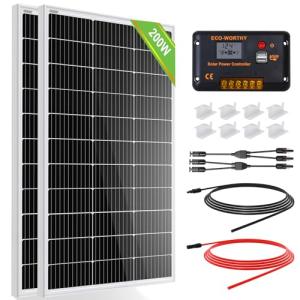
800W Off-Grid Solar Panel Kit for RVs/Boats
Enjoy the freedom of solar power for your adventures on the road or water with this efficient 800W off-grid solar panel kit
Product information
Product Review Score
4.63 out of 5 stars
14 reviewsProduct links
Factors That Impact Solar Panel Performance
When you're on a quest to find the best solar panels for your home, it's essential to know what affects their performance. A few key factors can really make a difference in how much energy those panels generate.
First up is sunlight exposure. Solar panels thrive in bright, direct sunlight. If your roof has lots of shade from trees or neighboring buildings, that can cut into their efficiency. Check how much sun your spot gets throughout the day. Ideally, you want your panels soaking up rays for at least six hours.
Next, consider the angle and orientation of your panels. Installing them at the right tilt can boost their energy output. South-facing roofs tend to capture the most sunlight, but if your roof sits differently, you might still find great options. Some installers can adjust the angle to make the most of your location.
Temperature also plays a role. You might think hotter means better for solar, but that’s not always true. High temps can actually reduce efficiency. The best solar panels should have a low temperature coefficient, meaning they perform well even in the heat. This is something to look for when making your selection.
Lastly, take a look at the panel quality and warranty. Investing in high-quality panels can significantly enhance performance. Panels with longer warranties often indicate better durability and reliability. This is especially important if you want to make sure your investment lasts for years to come.
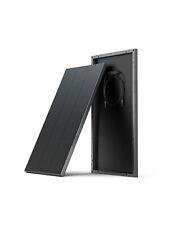
Jackery SolarSaga 200 Solar Panel
Get reliable power anywhere you go with this portable and efficient solar panel
Product information
$458.82
Product Review Score
4.58 out of 5 stars
85 reviewsProduct links
Tips for Comparing Solar Panel Brands
When it comes to finding the Best Solar Panels for your home, comparing brands can feel overwhelming. But don’t worry, I’ve got some tips to help you out!
First off, check the panel efficiency. This tells you how well a panel converts sunlight into energy. Look for panels with high efficiency ratings, as they’ll produce more power even in less-than-perfect sunlight. Brands like SunPower and LG often top the efficiency charts.
Next, consider the warranty. A good warranty shows the brand stands behind its product. Aim for at least 25 years on performance, which gives you peace of mind. It’s a big investment, so knowing you’re covered is key.
Don’t overlook customer reviews. They can give you real insights into how well the panels perform over time. Check out forums and trusted review sites to see what actual users say about their experience with different brands.
Finally, think about the installation process. Some brands work with specific installers, while others are more flexible. Check reviews specifically about installation to make sure the setup goes as smoothly as possible. This can really make a difference in how happy you are with your solar panels.