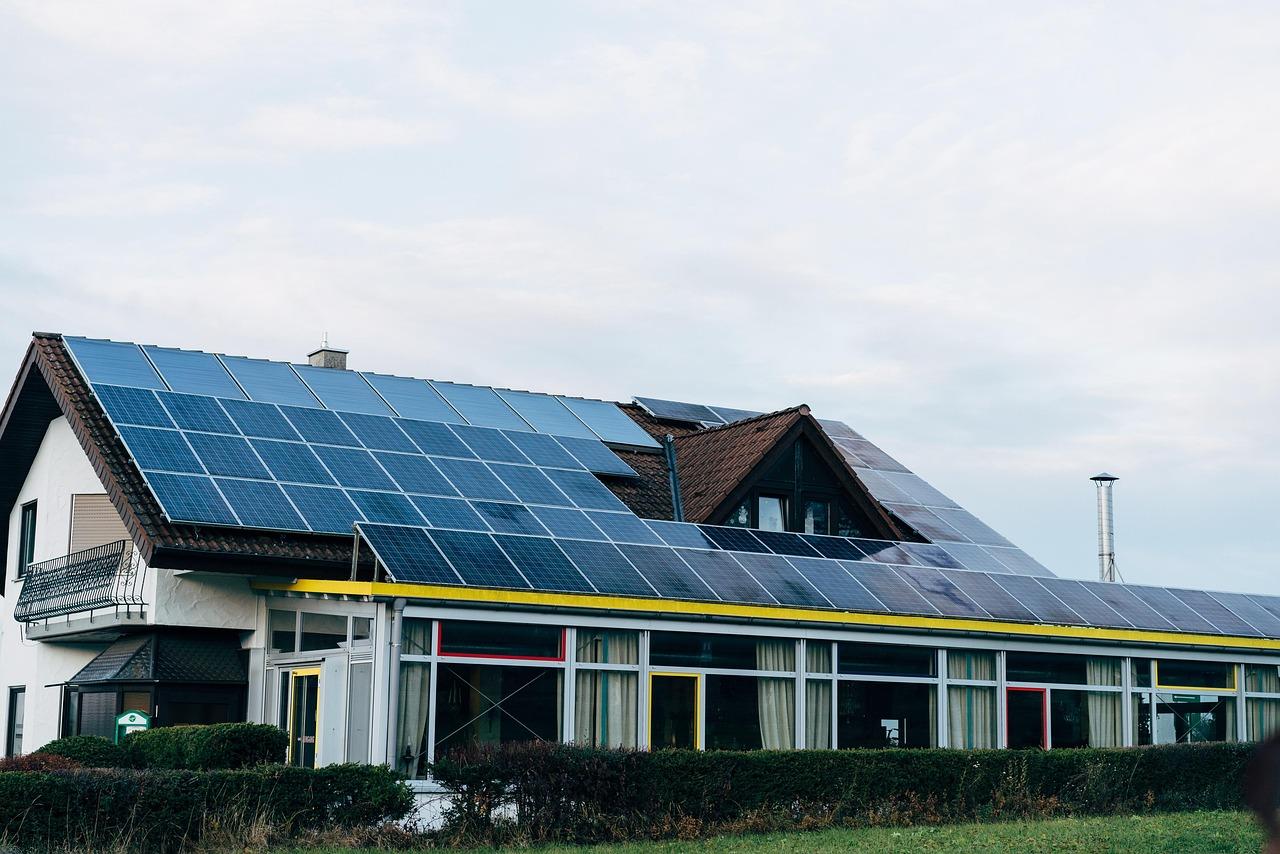
Thinking about solar panel installation? Great choice! Getting started doesn’t have to be overwhelming. First things first, figure out how much energy you use. Take a look at your utility bills from the past year. Knowing your energy consumption helps you understand what size system you'll need.
Next, check out the roof. You want to make sure it’s in good shape and gets plenty of sunlight. Ideally, look for a spot that gets at least six hours of direct sunlight daily. If your roof isn't facing the right direction or is too shaded by trees, you might want to consider ground-mounted options.
Now it’s time to research different types of solar panels. There are several options out there, from monocrystalline to polycrystalline panels. Look for panels with good efficiency ratings and warranties. A solid warranty typically gives you peace of mind that you’re covered for years to come.
Once you've done your homework, start reaching out to local solar installers. Ask them questions about their experience, the installation process, and financing options. Having a reliable installer means less stress during your solar panel installation journey. Remember to get multiple quotes; it’s a smart way to ensure you’re getting a fair deal.
Choosing the Right Location for Panels
Finding the perfect spot for your solar panels can make a big difference in how well they work. You want to ensure they soak up the most sun throughout the day. Here are some key factors to keep in mind during your solar panel installation.
First, think about the direction your roof faces. South-facing roofs usually get the most sunlight, but east and west can still do a decent job. If your roof is mostly shaded by trees, buildings, or even chimneys, your panels won’t perform as well. Trim those trees or consider a different location if you notice a lot of shade during peak sunlight hours.
Next up, the angle of your roof matters too. A roof that has a good slope can help your panels catch sunlight better. Ideally, an angle of about 30 to 45 degrees works best, but don’t worry if yours isn’t perfect. Many solar installers can adjust the mounting brackets to optimize performance.
Lastly, don’t forget about roof condition. Before jumping into solar panel installation, check if your roof is ready for it. If it needs repairs or replacement, take care of that first. You want a sturdy base for your panels, so they can last as long as possible without issues.
By carefully choosing the location of your solar panels, you’ll set yourself up for success. A little planning goes a long way in making sure your solar panels produce as much energy as possible!
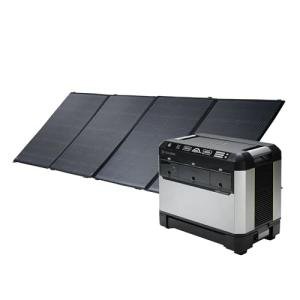
Goal Zero Yeti Pro 4000 Solar Power Bundle
Power your adventures with the portable and versatile Goal Zero Yeti Pro 4000 Solar Power Bundle
Product information
$4,099.95
Product Review Score
4.25 out of 5 stars
9 reviewsProduct links
Simple Steps to Install Your Panels
Installing solar panels can feel overwhelming, but it doesn’t have to be! With the right steps, you can get started on solar panel installation without a hitch. Here’s a simple guide to help you through the process.
First, assess your home’s energy needs. Look at your monthly electricity bills to figure out how much energy you use. This will help you decide how many solar panels you need for efficient solar panel installation. You want to cover as much of your energy usage as possible!
Next, check your roof’s condition and orientation. Ideally, your roof should face south and be free of shadows from trees or buildings. If your roof needs repairs, tackle those before the panel installation. A solid base is key for a successful setup!
Once you’ve got your roof sorted, gather the right tools and materials. You’ll typically need brackets, screws, and wiring along with your solar panels. Lay everything out so you can easily access what you need during installation.
Now it’s time for the fun part: installing the panels! Start by securing the mounting brackets, then attach the panels securely. Connect the wiring to the inverter, which helps convert solar energy into usable electricity. Make sure to follow manufacturer instructions carefully for a smooth solar panel installation.
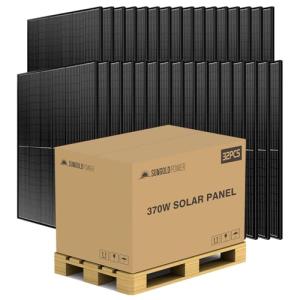
SUNGOLDPOWER 32x 370W Monocrystalline Solar Panels
Get reliable power and savings with these high-efficiency solar panels that are easy to install and built to last
Product information
$4,560.00
Product Review Score
4.73 out of 5 stars
86 reviewsProduct links
Connecting Your Solar Panels to Power
Getting your solar panels up and running is an exciting part of solar panel installation. Once you've got your panels secured on the roof, the next step is to connect them to power. Don't worry; we’ll break it down into simple steps.
First, you’ll need to connect the solar panels to an inverter. This device turns the sunlight captured by your panels into usable electricity for your home. Look for a reliable inverter that matches the output of your solar panels. Installing it close to your panel array makes the wiring easier and keeps things tidy.
Next, you’ll want to run wiring from each solar panel to the inverter. Make sure you use the right gauge for your wire; thicker wires handle more power without overheating. It might feel a bit like putting together a puzzle, but just follow each cable from the panel to the inverter, keeping everything neat and secure.
After your panels are wired to the inverter, it’s time to connect the inverter to your home’s electrical system. You’ll likely need a qualified electrician for this part to ensure everything is safe and up to code. Don’t skip this step—you want to make sure your setup is reliable and safe for daily use!
Once everything’s connected and you’ve double-checked your work, turn on the system. You’ll see the magic happen as your panels start generating power. Just like that, you’re tapping into the sun's energy! Enjoy your new solar setup—it's not just sustainable, it’s a smart way to save on your electricity bill too!