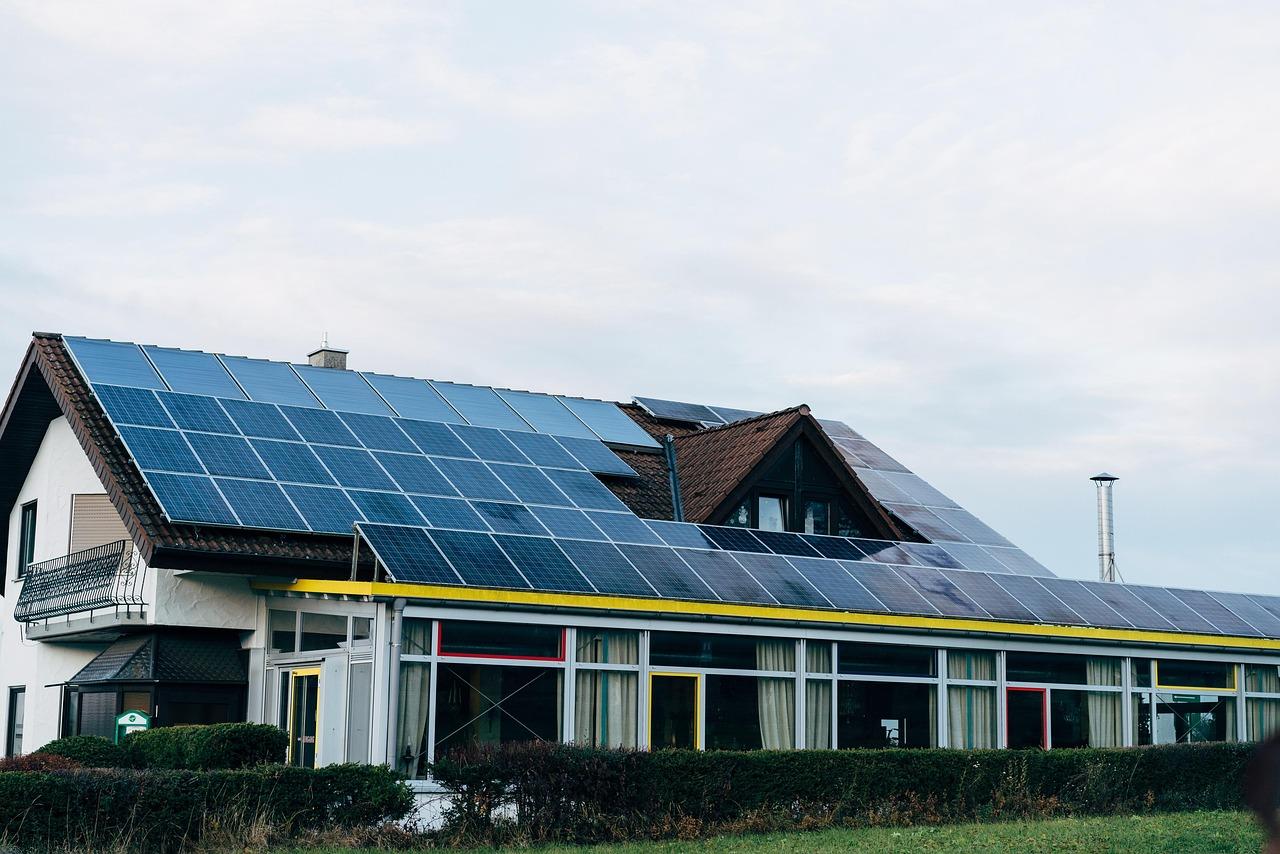
Picking the right solar panels can feel a bit overwhelming, but it doesn’t have to be. Start by figuring out what you need. How much energy do you use in a month? Understanding your energy consumption helps you select solar panels that meet your needs without overspending.
Next, think about your roof. Is it big enough? How much sunlight does it get? Ideally, look for a spot that gets plenty of sun exposure. If your roof isn't suitable, ground-mounted solar panels might be a better fit. Don’t forget to check local regulations or homeowner association rules about solar panel installation. They might have guidelines you need to follow.
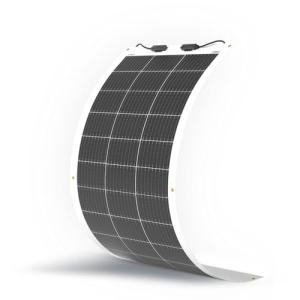
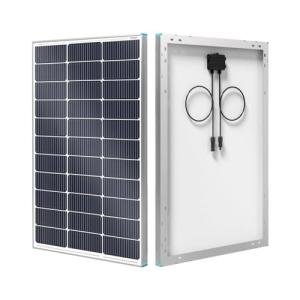
Another big thing to consider is efficiency. Higher efficiency panels can generate more power in less space, which is great if you’re tight on roof space. There are different types of solar panels, like monocrystalline, polycrystalline, and thin-film. Monocrystalline panels offer the most efficiency but can be pricier. Polycrystalline panels provide a balance of price and efficiency, while thin-film is often the cheapest but usually less efficient.
Last but not least, look at the warranty. A solid warranty offers peace of mind. Most reliable manufacturers will provide warranties from 25 years to even lifetime coverage. This is a good indicator of quality and durability, ensuring that your investment over time is protected as you enjoy the benefits of solar panel installation.
Essential Tools for Solar Panel Setup
Getting your solar panels set up can feel a bit overwhelming, but having the right tools makes it a whole lot easier. Whether you're a DIY enthusiast or hiring a pro, knowing what you'll need helps you keep your project on track. Here are the essential tools for solar panel installation.
First up, a good quality drill with a set of bits is a must. You'll need it for mounting your panels securely to your roof or wherever you choose to install them. A level is another handy tool to ensure your panels are aligned perfectly. Tricky angles can throw off the performance, so taking the time to get this right is key.
Don’t forget about safety gear! A harness, gloves, and goggles protect you while you're up there doing the installation. It's tempting to skip safety, but trust me, it’s not worth the risk. And a sturdy ladder makes reaching those high places safer and easier.
Lastly, a multimeter helps you check the voltage and current coming from your panels, ensuring everything is running smoothly. This little guy saves you from future headaches. Having these tools ready makes the solar panel installation process much smoother. So, gear up and let that sunshine power your world!
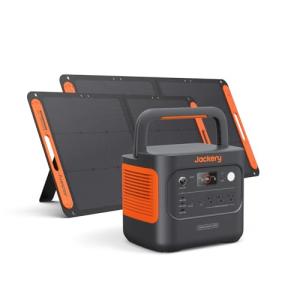
Jackery 2000 V2 Solar Generator with 2 Solar Panels
Power up your adventures with this portable generator and solar panel combo that's perfect for camping trips and emergency backup
Product information
$1,299.00
Product Review Score
4.28 out of 5 stars
21 reviewsProduct links
Step by Step Installation Process
Getting started with solar panel installation doesn’t have to be overwhelming. Here’s a breakdown of the steps to make it as smooth as possible.
1. Assess Your Roof
First things first, take a good look at your roof. Make sure it’s structurally sound and gets plenty of sunlight. You want to avoid shady spots from trees or chimneys, as they can impact your panel’s efficiency.
2. Gather Your Tools and Materials
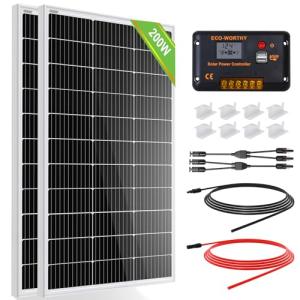
You’ll need some basic tools for your solar panel installation. This includes:
Make sure you have everything ready before you start. This way, you won't have to run off mid-installation!
3. Mount the Solar Panels
Once you’ve prepped the roof, it’s time to mount the panels. Secure the mounting brackets or hurricane straps based on the type of your roof. Double-check that everything is tightened properly. This part’s crucial for ensuring your panels stay put during strong winds or storms.
4. Connect the Wiring
Now comes the fun part—connecting the panels! Follow the wiring diagram that comes with your solar kit. Don’t forget to use a voltage tester to ensure everything is safe before powering up. Making secure connections is key for safety and efficiency during your solar panel installation.

Jackery SolarSaga 200 Solar Panel
Get reliable power anywhere you go with this portable and efficient solar panel
Product information
$458.82
Product Review Score
4.58 out of 5 stars
85 reviewsProduct links
Tips for Maintaining Your Solar Panels
Maintaining your solar panels is key to keeping them running smoothly and ensuring you get the most out of your investment. Here are some straightforward tips that can help you care for your panels and boost their efficiency.
First off, keep your panels clean. Dust, dirt, and debris can block sunlight and lower your energy production. A gentle rinse with water on a cloudy day or using a soft brush can work wonders. Just make sure you don’t use any harsh chemicals that could damage the surface.
Next, check for any obstructions. Trees, buildings, or even new shrubbery can cast shadows on your panels. If you notice any changes in performance, take a walk around your home and see if something needs trimming or moving.
It’s also wise to inspect your solar panels regularly. Look out for cracks, loose wiring, or any signs of wear. Catching these issues early can save you from major headaches down the line. A quick once-over every few months should do the trick.
Lastly, don’t forget about your inverter. This little gadget converts sunlight into electricity. Make sure it’s working properly and check the indicator lights. If you see any warning signals, it's time to troubleshoot. Keeping an eye on your inverter helps ensure your solar panel installation delivers the best results.