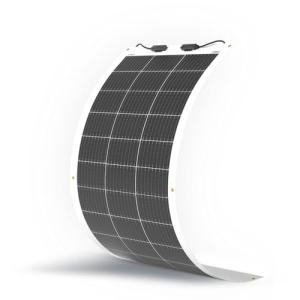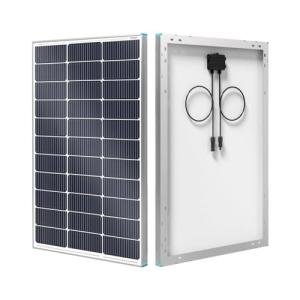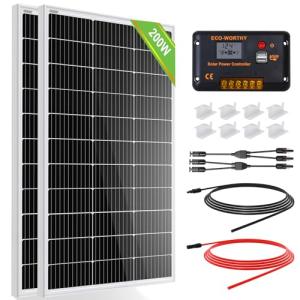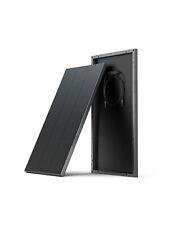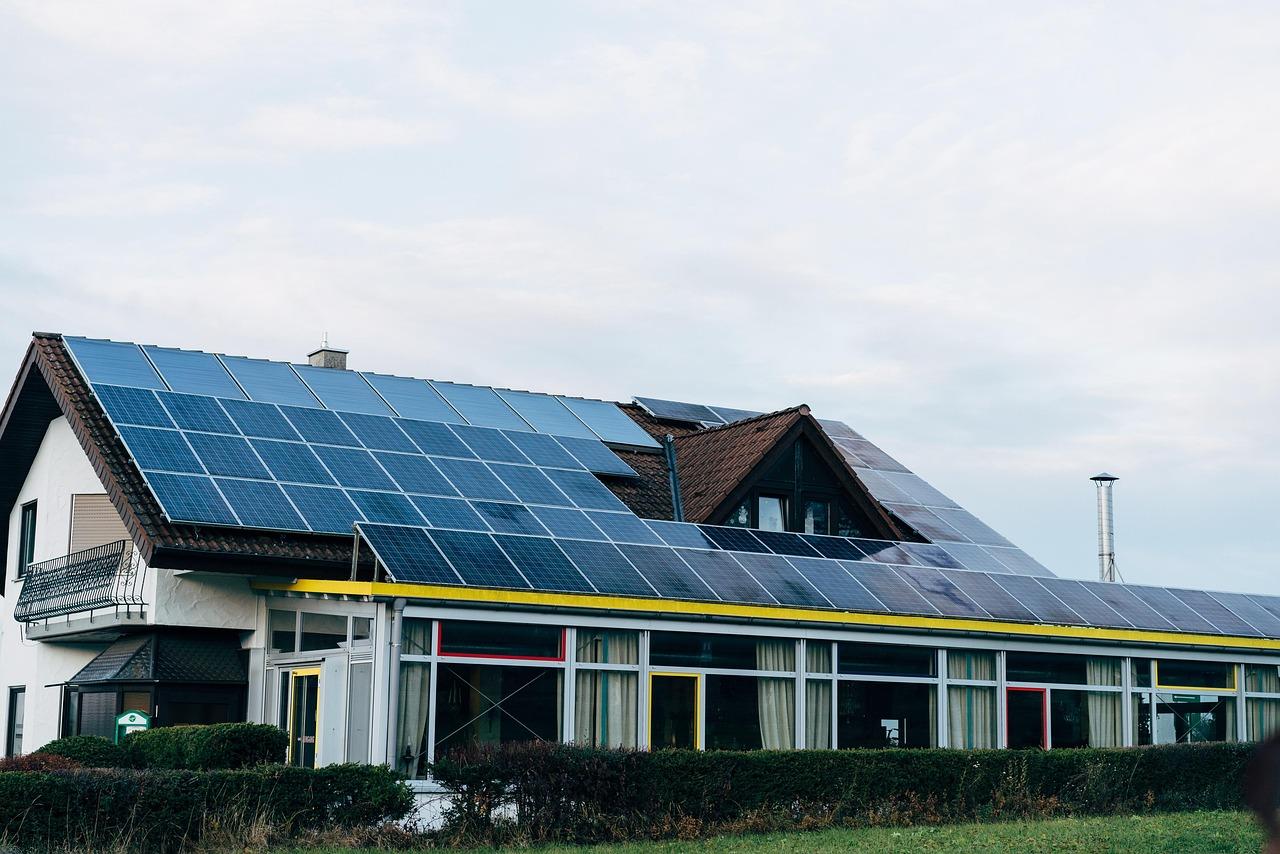
Picking the right solar panels is key to a successful solar panel installation. You want to find something that fits your needs, budget, and roof space. Start by thinking about the type of panels available. The two main types are monocrystalline and polycrystalline. Monocrystalline panels are usually more efficient, but polycrystalline panels can be less expensive. If you're looking for efficiency and have the budget, go for monocrystalline.
Next, consider the wattage. Higher wattage panels produce more electricity, which means you can generate more power from less space. If you have a smaller roof, choose higher wattage options to maximize your output. You’ll also want to look at the brand's warranty. A good warranty often reflects the manufacturer’s confidence in their product. Aim for at least a 25-year performance warranty.
Don't forget about your installation area! Check how much sunlight your roof gets throughout the day. If you have shading issues from trees or buildings, you might need to think about panel placement or even trimming back some greenery. Sometimes, positioning those panels perfectly can dramatically increase your energy production.
Finally, get some quotes from local installers. They'll help you understand the total cost, including any incentives available. This step can save you a lot of headaches down the road. The right solar panel installation will ultimately depend on your unique situation, so take your time and choose wisely!
Preparing Your Home for Installation
Getting your home ready for solar panel installation is pretty straightforward. Start by checking your roof. Make sure it's in good shape and can handle the panels. Look for any loose shingles or damage. If your roof needs repairs, tackle those first. You want a solid foundation for your shiny new panels.
Next up, think about where you want the panels to go. Ideally, they should face south to catch the most sunlight. If you have a few trees or other buildings blocking the sun, you might want to trim those back. It’s all about maximizing that solar energy!
Don't forget to assess your energy needs too. Take a look at your past electricity bills and figure out how much power you usually use. This info is helpful for your installer to determine how many panels you'll need. The good news? Installing solar panels often means lower energy bills, so being aware of your consumption can pay off.
Lastly, check if you need any permits or approvals. Different areas have different rules about solar panel installation. Your installation company can usually help with this part, but it never hurts to be prepared. Having everything lined up makes the whole process much smoother.
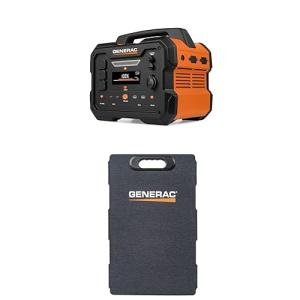
Generac GB1000 1086Wh Portable Power Station & Solar Panel
Stay powered on the go with this versatile portable power station and solar panel combo
Product information
$1,334.71
Product Review Score
4.21 out of 5 stars
106 reviewsProduct links
Step by Step Installation Process
Getting your solar panels up and running doesn’t have to be a headache. Here’s a simple step-by-step guide to make your Solar Panel Installation smooth and easy. You’ll be soaking up the sun in no time!
Step 1: Gather Your Tools and Materials
Before diving into your Solar Panel Installation, make sure you have everything you need. Grab these essentials:
Step 2: Decide on the Location
Pick a spot that gets plenty of sunlight. Check for any shady trees, buildings, or other obstructions that could block the sun. Aim for a rooftop installation, but ground mounts work too if that's easier for you. Once you’ve found the perfect spot, mark where the panels will go.
Step 3: Install Mounting Brackets
Attach the mounting brackets securely to the roof or ground. Use your level to make sure they're straight. This is key for making sure your panels are positioned correctly. Follow the specific instructions that came with your brackets, as they can vary a bit.
Step 4: Attach the Solar Panels
Now it’s time to set the solar panels on those brackets. Make sure they’re fitted snugly and double-check that everything lines up. Some panels have a locking mechanism, so if yours do, snap them in!
Step 5: Connect the Inverter and Wiring
Finally, connect the inverter and wiring to your solar panels. The inverter converts solar energy into usable power for your home. Make all your connections tight and double-check that you’re following the wiring instructions. Once that's all set, flip the switch and enjoy your new renewable energy source!

Renogy 250W Bifacial Solar Panel for Off-Grid Use
Get reliable power for your off-grid adventures with this high-efficiency solar panel that captures sunlight from both sides
Product information
Product Review Score
4.61 out of 5 stars
227 reviewsProduct links
Maintaining Your Solar Panels for Longevity
Keeping your solar panels in top shape is key to getting the most out of your investment. Solar Panel Installation is just the first step. After that, the goal is to make sure those panels continue to shine bright for years to come.
Start with a regular cleaning schedule. Dust, leaves, and bird droppings can all stack up and block sunlight. A simple rinse with a hose can usually do the trick. If you notice some stubborn spots, a sponge and some mild soap can help. Just make sure to avoid harsh chemicals which could damage the panels.
Next, check for any shade. Over time, trees and new buildings might start casting shadows on your panels. If you spot any growing obstructions, consider trimming those branches or adjusting the layout around your home. It’s all about letting as much sunlight hit those panels as possible.
Don’t forget to keep an eye on wiring and connectors. Look for any signs of wear or fraying. If something seems off, call in a professional to check it out before it turns into a bigger issue. Regular maintenance checks will help you catch problems early and keep your system running smoothly.
Finally, keep a log of your energy production. Tracking how much energy you generate can give you a clear picture of your panels' performance. If you suddenly notice a drop, that could be a sign that something needs your attention. Staying proactive will help you enjoy the benefits of your solar panels for as long as possible.