Picking the right solar panel can feel overwhelming, but it doesn’t have to be. Start by thinking about your energy needs. Are you looking to offset your entire electricity bill or just a portion? Knowing how much power you want to generate helps narrow down your options.
Next, consider the size of your roof. Some panels require more space than others, so it’s essential to measure and see what fits. You want to maximize your roof's potential, right? Also, check how much sunlight your roof gets throughout the day. If you have lots of sun exposure, you’ll probably get better performance from your panels.
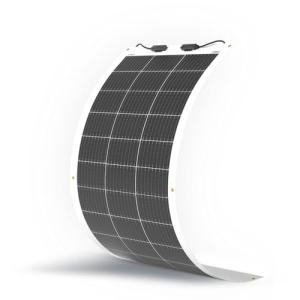
Then, think about the type of solar panel. There are three main types: monocrystalline, polycrystalline, and thin-film. Monocrystalline panels are usually more efficient and take up less space, but they come with a higher price tag. Polycrystalline panels are budget-friendly but may not be as efficient. Thin-film panels are lightweight and flexible but often require a larger area to generate the same power. Know what fits your budget and space constraints.
Don’t forget about warranties and customer service! Good warranties can save you money long-term. Look for panels that come with at least a 25-year warranty. That way, you’ll have peace of mind when it comes to your solar panel installation.
Plan Your Solar Panel Layout
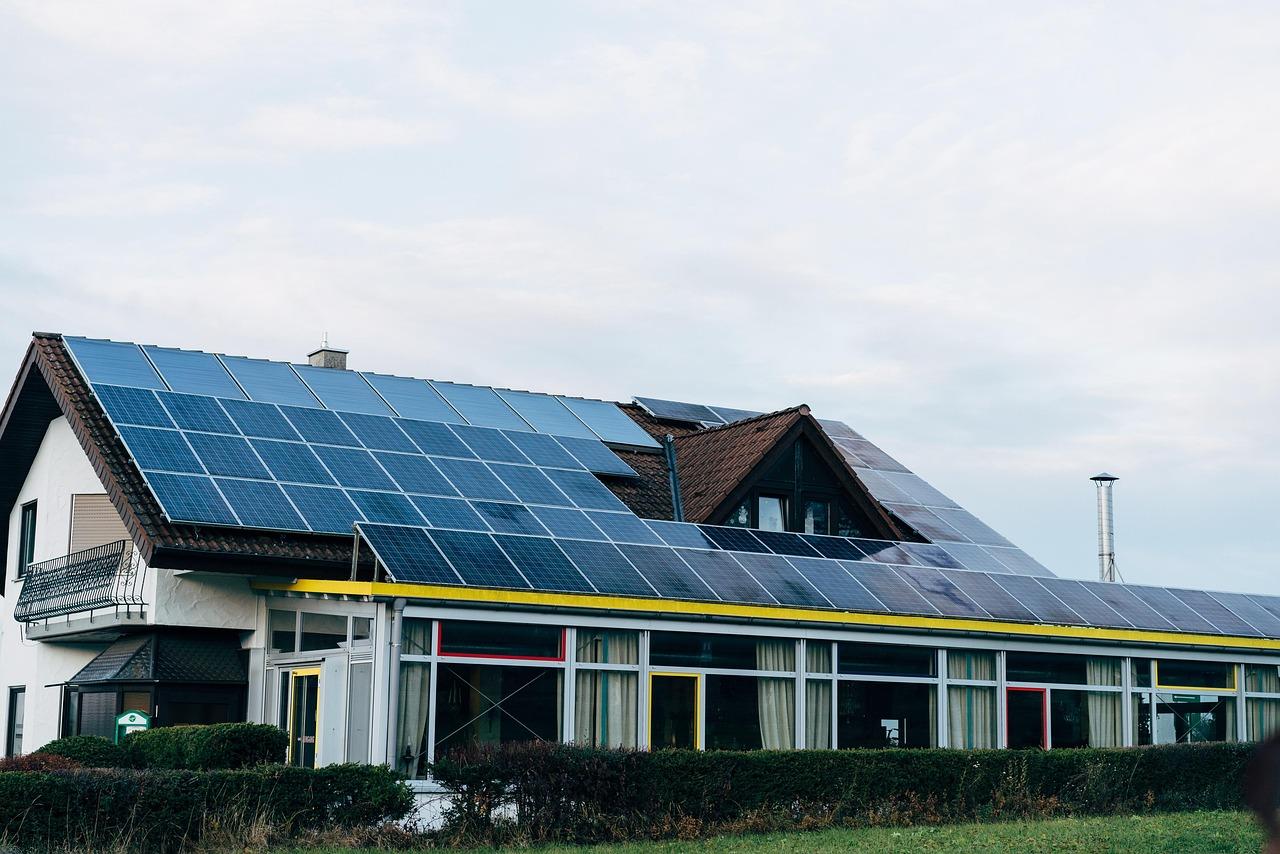
Planning your solar panel layout is a crucial step in the solar panel installation process. You want to get the most out of your system, and it all starts with how you arrange those panels. First off, think about your roof space. How many panels can you realistically fit? Consider any obstructions like chimneys or vents, as these can block sunlight.
Next, pay attention to the orientation of your roof. Panels facing south typically get more sun throughout the day, so if you have a south-facing roof, that's a win! However, east- and west-facing roofs can still work pretty well. Just know that you might have a little less efficiency.
Don’t forget about the angle of your roof. If you have a flat roof, you may need a mounting system to tilt the panels for better sunlight capture. For pitched roofs, find out what angle gives you the best performance for your location.
Before you start installing, take a moment to calculate your energy needs. Figure out how much electricity you typically use each month, and use that info to determine how many panels you'll need. This will influence your layout and help you decide where to place each panel for optimal performance.
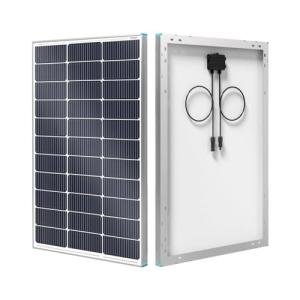
100W Monocrystalline Solar Panel for Off-Grid Use
Harness the power of the sun for efficient energy solutions in remote locations
Product information
$114.99 $67.99
Product Review Score
4.38 out of 5 stars
156 reviewsProduct links
Step-by-Step Installation Process
Getting started with solar panel installation doesn’t have to be overwhelming. Here’s a simple step-by-step process to help you through it.
First, you’ll want to assess your roof. Check for any shading from trees, chimneys, or other buildings. Ideally, solar panels need a sunny spot that gets sunlight for most of the day. Measure the roof space where you plan to install the panels, and make sure it’s sturdy enough to support the weight.
Next up is choosing the right solar panels and equipment. Look for panels with a good warranty and high efficiency. You’ll also need an inverter, which converts the energy your panels collect into usable electricity. It’s a good idea to research reviews and ask for recommendations from friends or online communities.
Once you have everything, it’s time for the fun part—installation! If you’re comfortable with DIY, you can tackle this yourself. Just remember to follow the manufacturer's instructions closely. If you’re not up for it, hiring a pro can save you a lot of time and ensure everything is set up correctly. They’ll handle the heavy lifting and help you with permits.
Finally, after the panels are in place, connect them to your inverter and electrical panel. Don’t forget to inspect everything to make sure it’s safe and efficient. After that, sit back and enjoy the savings on your energy bill! Solar panel installation can be a rewarding project that pays off for years to come.
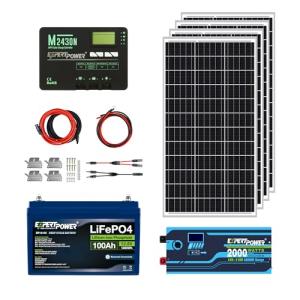
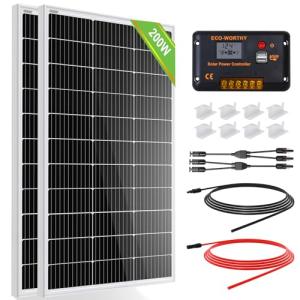
ExpertPower 1.3KWH Solar Power Kit for RVs
Power your RV adventures with this efficient, ready-to-use solar power kit
Product information
$1,199.99
Product Review Score
4.4 out of 5 stars
18 reviewsProduct links
Tips for Maintenance and Care
Keeping your solar panels in tip-top shape doesn’t have to be a chore. A little regular maintenance goes a long way in helping them run efficiently. Here are some easy tips to ensure your solar panel installation stays in great condition.
First things first, give those panels a good clean every now and then. Dust, dirt, and leaves can pile up and block sunlight from hitting your panels. A simple rinse with a hose or a gentle wipe down with a soft sponge can do wonders. Just make sure you choose a cool day, so you don’t end up with streaks from drying too quickly!
Check for any debris around the solar panel installation, too. Trim any overhanging branches and make sure there’s no buildup of leaves or snow. Keeping the area clear lets your panels soak up as much sunlight as possible.
Lastly, keep an eye on your energy output. If you notice a drop in performance, it might be time for a little inspection. This doesn’t usually require a pro, but if anything looks off, don’t hesitate to call an expert. Regular check-ups can help catch issues before they turn into costly repairs.