So, you’ve decided to go solar—awesome choice! Getting ready for solar panel installation is an exciting step and can feel a bit overwhelming, but I’ve got your back. Let’s break it down into simpler pieces.
First things first, check if your roof is ready for solar panels. Look for any damage, like missing shingles or big cracks. If your roof needs repairs, handle those first. No one wants to install solar panels on a roof that might not stand the test of time!
Next, think about how much energy you use. Grab your utility bills and take a look at your electricity usage over the past year. This info helps you estimate how many solar panels you’ll need. A quick chat with your installer can also clear things up and ensure you get the right system for your needs.
Lastly, don’t forget about permits and local regulations. Some areas have specific rules for solar panel installation. Check with your local building department or work with your installer to make sure all the paperwork is in order. It might sound like a hassle, but it’s worth it to avoid headaches later.
Getting ready for solar panel installation is all about preparation. Once you’ve checked your roof, estimated your energy needs, and sorted out permits, you’ll be well on your way to enjoying the benefits of solar energy.
Choosing the Right Location
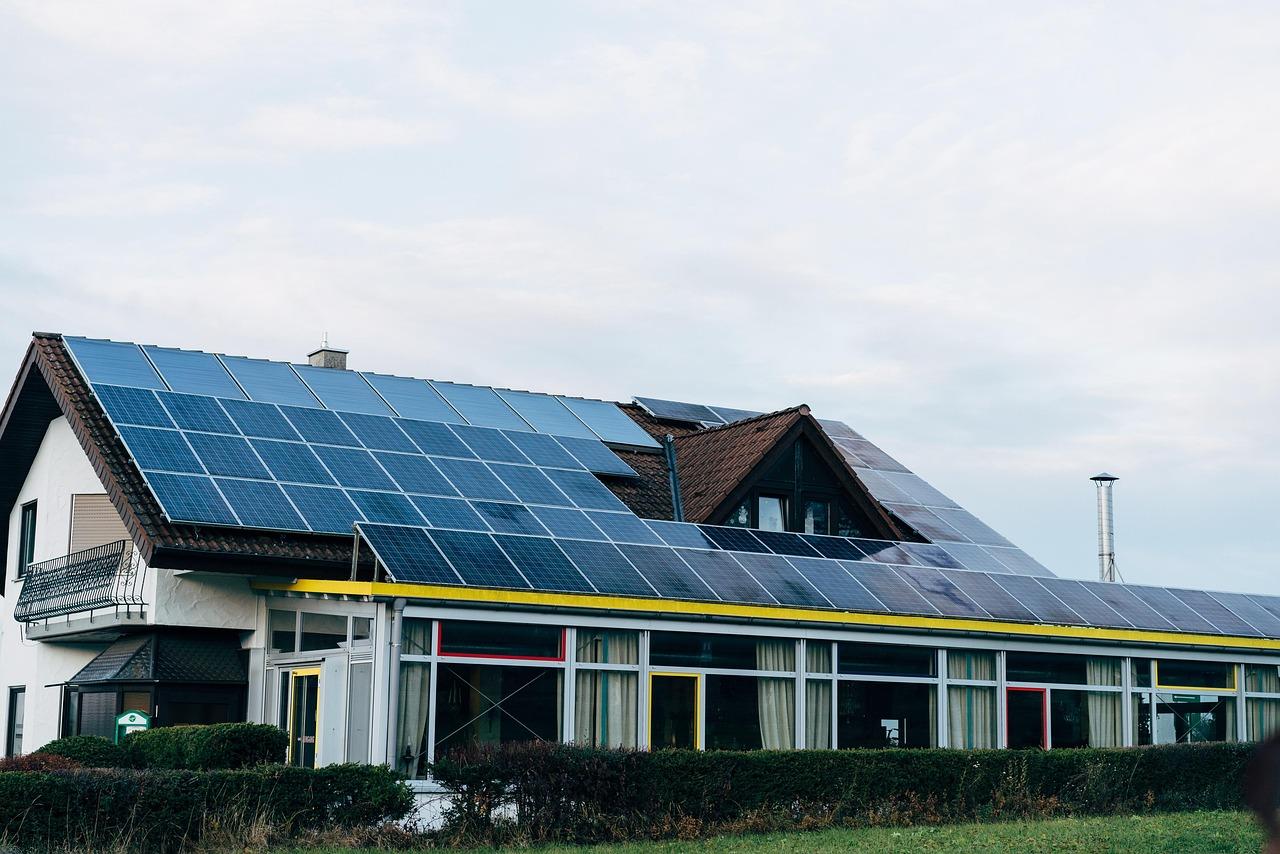
Finding the perfect spot for your solar panel installation is super important. You want to make sure they're getting plenty of sunlight throughout the day. Think about your roof—does it face south? That's ideal! A south-facing roof catches the most sun, giving your panels the best chance to generate power.
If your roof isn't an option, don't worry! You can also consider installing solar panels on the ground. Just make sure that whatever spot you choose is clear of shade from trees, buildings, or anything else. If you have a big backyard or a clear area, that could work out great for you.
Another thing to think about is the angle of your panels. The angle can really affect how much energy they produce. A tilt of around 30 degrees usually works best, but it can vary based on your location. Check out some local guidelines or consult with a solar pro to get the best setup for your area.
And hey, don't forget about your local weather! If you live somewhere it snows a lot, you'll want to consider roof load and drainage. Regular snowfall could cover your panels, so planning for that is key. Making the right choices here can really pay off down the line when it comes to energy savings.
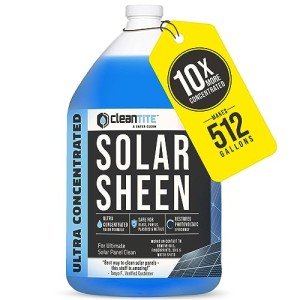
CLEANTITE Solar Panel Cleaner - 512 Gallons Made
Keep your solar panels sparkling clean with this efficient and effective cleaner that covers up to 512 gallons
Product information
$49.99
Product Review Score
4.65 out of 5 stars
121 reviewsProduct links
Wiring It Up Safely
Wiring your solar panels is a big step in the Solar Panel Installation process, and doing it safely is super important. Let’s break it down into simple steps to keep things smooth and secure.
First off, make sure you’re wearing safety gear. Gloves and goggles can save you from any accidental shocks or accidents. Always turn off the power at the circuit breaker before you start working. Double-check that everything is off—safety first!
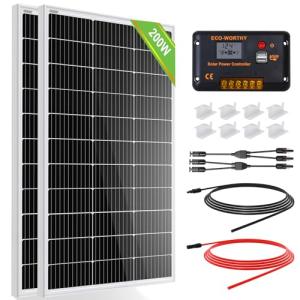
Next, you’ll want to follow the instructions that come with your solar panel kit. Each kit can be a little different, so stick to the guidelines provided. Typically, you’ll connect your panels to a charge controller, which regulates the voltage and protects the battery bank. Use weatherproof connectors to ensure everything holds up against the elements.
When you're running wires, keep them organized. Use zip ties or clips to secure everything in place, so you don’t have a tangled mess. This not only looks better but also prevents wear and tear on your wires over time. Remember, choosing the right gauge wire is essential to avoid overheating and ensure efficient energy transfer.
Lastly, regularly check your wiring for any signs of wear or damage. Keeping an eye on your setup helps you catch issues early. Proper maintenance means your Solar Panel Installation remains safe and efficient for years to come!
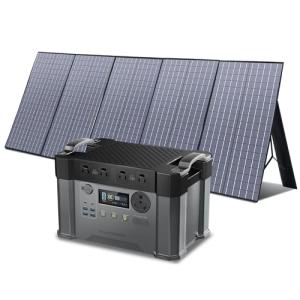
ALLPOWERS S2000PRO Portable Power Station with Solar Panel
Stay powered on the go with this compact and efficient solar-powered solution
Product information
$789.99
Product Review Score
4.86 out of 5 stars
32 reviewsProduct links
Final Checks and Testing
First, double-check all your connections. Make sure everything's snug and secure. Look over the wiring and see if there are any loose ends. Tighten up any connections that feel wobbly. A good connection means improved performance, and you definitely want that. Also, keep an eye on your solar panel mounts. Ensure they’re stable and not shifting or moving in the wind.
Next, fire up your solar system. If you’ve set up a monitoring system, check it out to see if it’s registering energy production. If everything’s working right, you should see real-time data coming in. If the numbers aren’t what you expect, it might mean you need to tweak something or check for shading from nearby trees or buildings.
Lastly, don’t forget to clean your solar panels. Dust and dirt can affect performance, so give them a gentle wash if they look grimy. Regular maintenance isn’t just a chore; it’s a simple way to keep your solar panel installation running smoothly for years to come. With all these checks done, you’re in great shape to start reaping the benefits of clean, renewable energy!