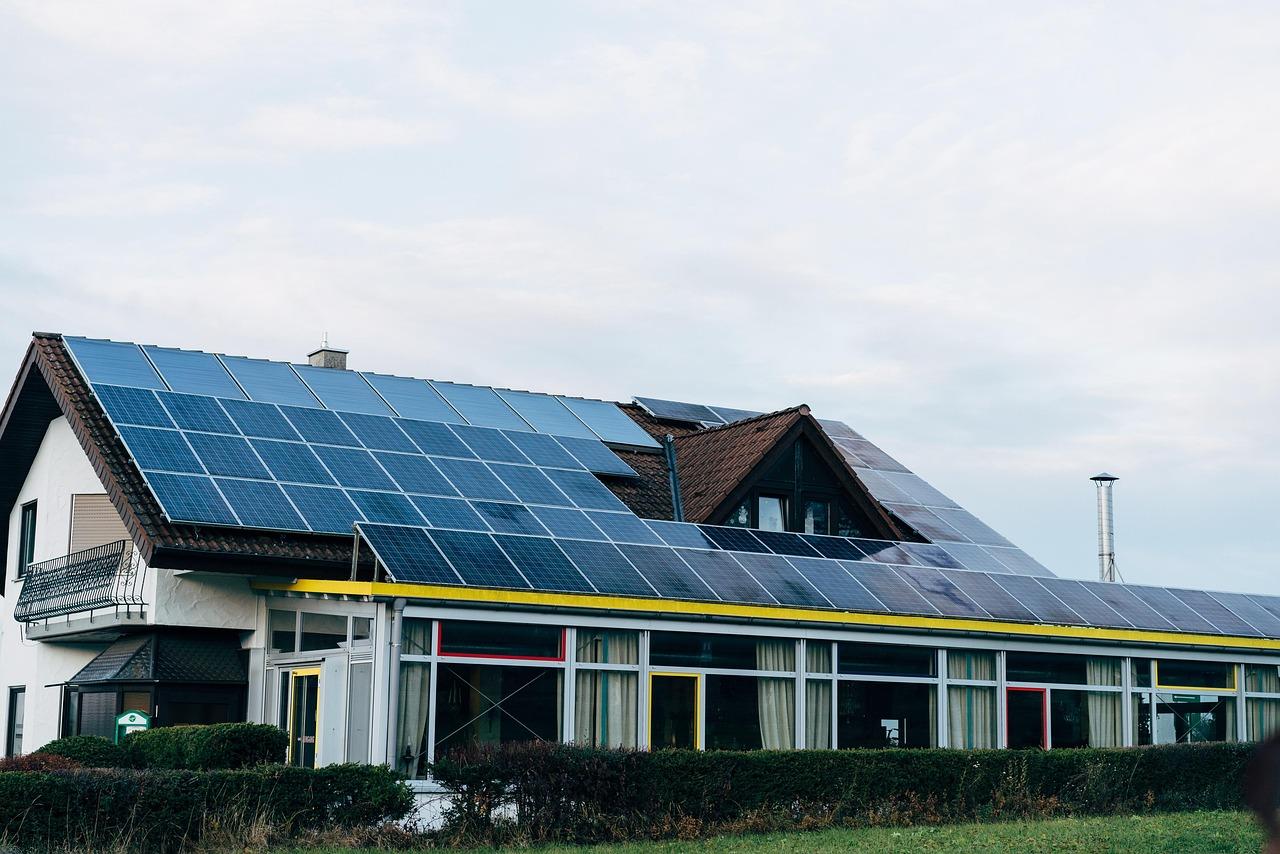
Getting into solar panel installation can seem tricky at first, but it’s easier to understand than you might think. At its core, solar panels convert sunlight into electricity. They capture sunlight using photovoltaic cells, which generate DC (direct current) electricity. That electricity then gets converted to AC (alternating current) by an inverter, making it ready for your home.
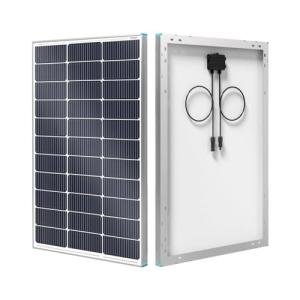
There are a few key parts to consider when thinking about solar panel installation. First up is the solar panel itself, which comes in different types like monocrystalline, polycrystalline, and thin-film. Each type has its pros and cons, especially when it comes to efficiency and cost. Monocrystalline panels are quite popular since they pack a punch in performance, while polycrystalline ones are usually a bit lighter on the wallet.
Next, you'll need to think about the inverter. A good inverter ensures the electricity generated can actually be used in your home. It’s like the translator between your solar panels and your energy systems. Then there's the mounting system. This is what holds the panels in place, whether on your roof or on the ground. An effective mount makes for a solid installation and ensures your panels soak up as much sun as possible.
Also, don’t overlook the importance of battery storage. If you want to use solar energy at night or during cloudy weather, batteries can be a game-changer. They store the energy your panels produce so you can tap into it whenever you need to.
Choosing the Right Solar Panels
Picking the right solar panels can feel overwhelming, but it doesn’t have to be. Start by thinking about your energy needs. How much power do you use in a month? Solar panels are measured in watts, so understanding your usage helps you choose the right size. Generally, you’ll want to match the panel output to your energy goals.
Next, consider the efficiency of the panels. Higher efficiency means you’ll get more power from less space. If you have a small roof, opt for panels with a good efficiency rating to maximize your energy production. Look for panels that provide a strong warranty, usually around 25 years, to ensure long-term performance.
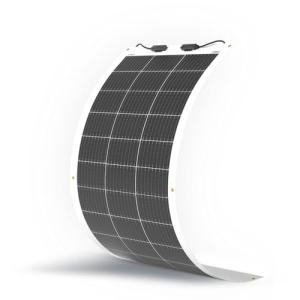
Don’t forget about the type of solar panel technology. Monocrystalline panels are very efficient and great for limited space, while polycrystalline panels are typically cheaper and can be a budget-friendly option. Thin-film panels are lightweight and flexible, perfect for unique installations.
Finally, check for certifications. Look for panels that meet industry standards to ensure safety and quality. It’s also wise to read reviews and see what others are saying after their solar panel installation. A little research goes a long way in finding the best option for your home!
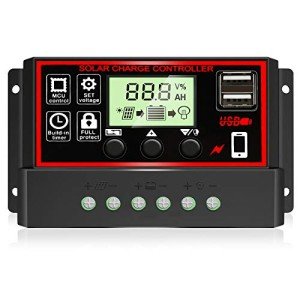
30A Solar Charge Controller with Dual USB Ports
Easily charge your devices and manage solar power with this user-friendly solar charge controller
Product information
$11.99 $9.98
Product Review Score
4.97 out of 5 stars
111 reviewsProduct links
Preparing for Installation Day
Getting ready for your big Solar Panel Installation day? Awesome! There are a few things you can do to make sure everything goes smoothly. A little planning can go a long way, so let’s jump right in!
First off, if you have any pets, make sure they’re kept away from the installation area. It’s usually best to keep them in another room or even at a friend’s place for the day. You want to avoid any distractions or potential accidents, right?
Next, try to clear the area around your roof or the ground where the solar panels will be installed. Move any furniture, garden items, or anything else that might get in the way of the installers. This gives them enough space to work efficiently without bumping into stuff. Plus, it helps to keep your property safe during the install!
Don’t forget to prepare any documentation the installation crew might need. If you have an HOA or any permits, have those handy. It’s also a good idea to check in with your installer about the specifics. They might need access to your electrical panel or the attic, so let them know about any access issues beforehand.
Lastly, get ready to have a chat with the installation team! They’ll appreciate your questions, and you can learn a lot from them. Knowing what’s going on during your Solar Panel Installation will help you feel more confident about your new energy setup. You're almost there!
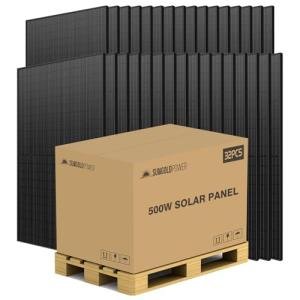
500W High Efficiency SUNGOLDPOWER Solar Panel Set
Maximize your energy savings with this powerful and efficient solar panel set
Product information
$5,990.00
Product Review Score
4.72 out of 5 stars
146 reviewsProduct links
Tips for a Smooth Installation Process
Getting your solar panels installed should be an exciting process, not a stressful one! Here are some tips to make your solar panel installation as smooth as possible.
First things first, do your homework. Research the type of solar panels that suit your needs and your home's energy requirements. Understand the different systems available—like grid-tied or off-grid—so you can choose what’s right for you. Knowing your options will make conversations with installers easier and more productive.
Next, find a reputable installer. Ask for recommendations, read reviews, and get multiple quotes. You want someone who knows what they're doing and will guide you through the solar panel installation process. A good contractor can help you avoid issues later on, making everything smoother for you.
Prepare your roof and surroundings before they arrive. Clear any debris or obstacles near where the panels will go. If your roof needs repairs, tackle those first. A clean workspace lets your installer work quickly and efficiently, speeding up the entire solar panel installation process.
Lastly, communicate any concerns you have. If you’re worried about something, don’t hesitate to ask. Being open with your installer will ensure that you're both on the same page, and it'll make the entire experience stress-free. Follow these tips, and you’ll be well on your way to harnessing the sun’s energy in no time!