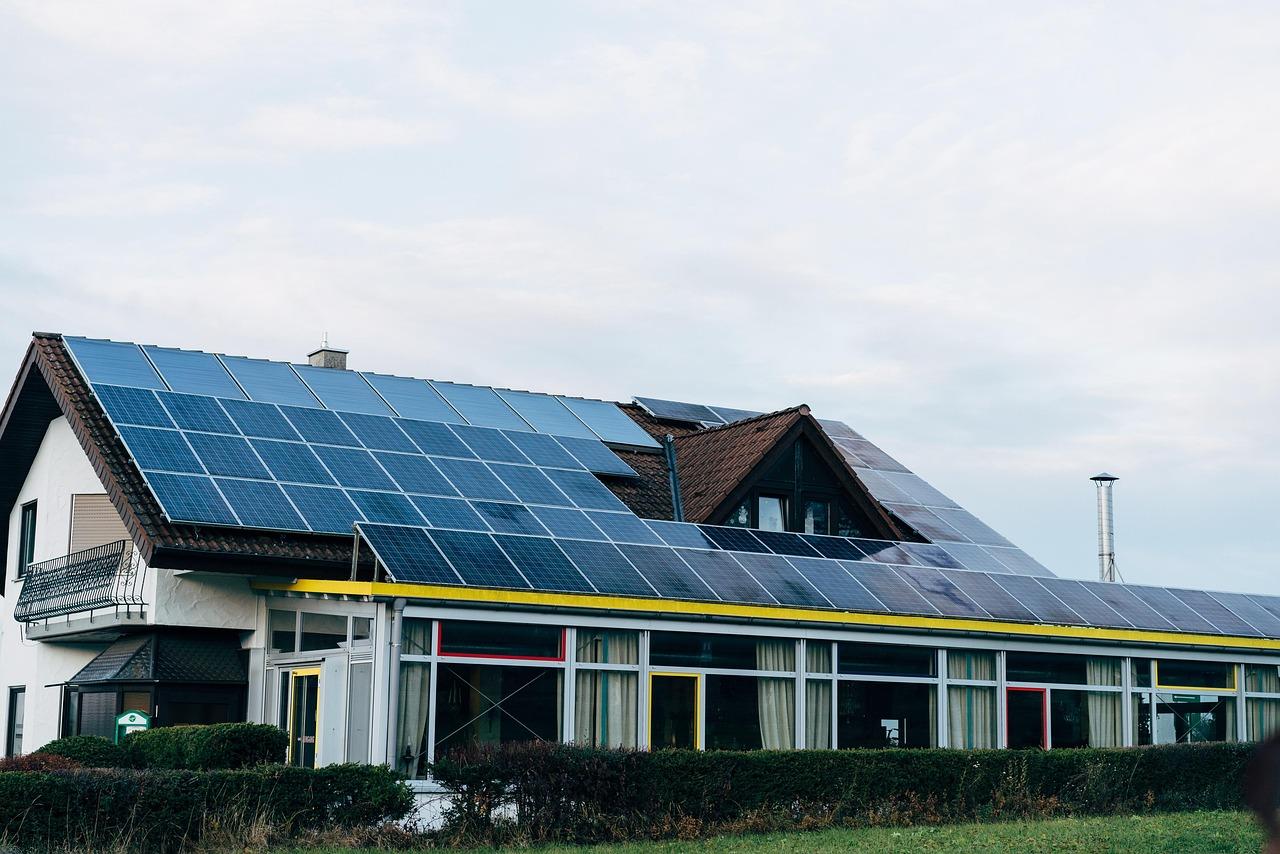
Next up, think about your roof. Is it sunny most of the day? Do you have any trees or buildings casting shadows on it? A good rule of thumb is that solar panels work best when they get about 6 hours of direct sunlight daily. If your roof isn’t ideal, don’t worry. There are options like ground-mounted systems that might work for you, too.
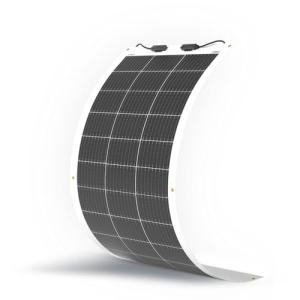
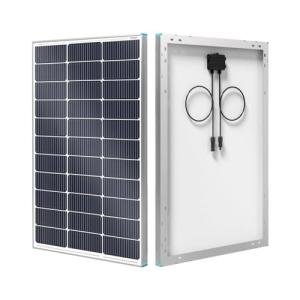
Another important aspect is the type of solar panel you want. There are a few options out there. Monocrystalline panels are usually the most efficient but tend to cost more. Polycrystalline panels are a bit less efficient but are budget-friendly. There are also thin-film panels, which are lightweight and flexible, but they take up more space and aren’t as efficient. It really comes down to what fits your budget and space.
Finally, when it comes to solar panel installation, don’t forget about local incentives and rebates! Many states and utilities offer programs that can help cut down on costs. Plus, check if local installers provide warranties for their work. This can give you peace of mind knowing you’re covered if something doesn’t go as planned. With these tips, you’ll be well on your way to picking the right solar panel system for your home!
Understanding Different Installation Methods
When diving into solar panel installation, it's crucial to know that there are a few different ways to get those panels up on your roof. Each method has its perks, so let's break them down.
First up, we have roof-mounted installations. This is the most common option. Here, panels get attached directly to your roof, maximizing sunlight exposure. Depending on the angle of your roof, you can enjoy great energy production. Just make sure your roof is in good shape before you go this route. If it's old or needs repairs, you might get more headaches than savings.
Another option is ground-mounted installations. If your roof isn’t ideal—maybe it has too much shade or isn’t facing the right direction—this method shines. You can place panels on a sturdy structure in your yard. It offers flexibility in spacing and angle for optimal sun exposure. Plus, it’s easier to maintain and clean. Just consider the size of your property; you'll need some space for this one.
Finally, there’s the option for solar carports or canopies. This method serves a double purpose: you get energy from the sun and have a protected area for your car. It's practical and can also add value to your property. If you have room in your driveway or a parking lot, it could be a win-win situation.
Each solar panel installation method can work wonders based on your specific needs and situation. Take your time to assess what’s best for you and don’t hesitate to reach out to local experts for advice. They can help you navigate the ins and outs of each installation type.

SUNGOLDPOWER 460W Bifacial Solar Panel Pack
Get reliable energy and maximize your solar investment with these high-efficiency panels designed for optimal performance
Product information
$2,152.08
Product Review Score
4.26 out of 5 stars
154 reviewsProduct links
Finding the Best Spot for Panels
When it comes to solar panel installation, picking the right spot is super important. You want to make sure those panels get as much sunshine as possible. So, let’s chat about some key points to help you find the best location.
First things first, check for shade. Trees, buildings, or anything casting a shadow can cut down on the energy your panels produce. Ideally, you’ll want a spot that gets direct sunlight for at least six hours a day. A quick way to see how the sun travels through your yard is to watch it throughout the day or use an app that tracks sunlight.
Next, think about the angle and direction of your roof. South-facing roofs usually catch the most sun. If your roof isn’t facing south, that’s cool—east and west are also good options. Just keep in mind that the angle can impact performance too. A professional installer can help you figure out the perfect tilt for optimal energy production.
Finally, don’t forget about accessibility. Your solar panel installation team needs to reach the panels for maintenance or repairs. So, ensure there's easy access to the installation site. Make sure it’s clear of any clutter or obstacles that could be a headache later on.
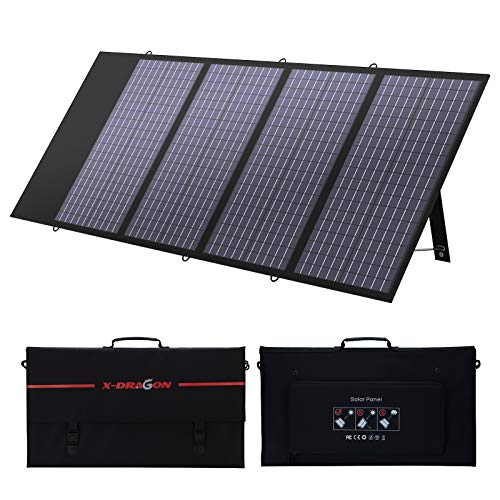
X-DRAGON 140W Foldable Solar Panel Charger
Harness the power of the sun with this portable and efficient solar panel charger, perfect for outdoor adventures and emergency backup
Product information
Product Review Score
4.37 out of 5 stars
85 reviewsProduct links
Steps to Complete Your Installation
Getting your solar panels up and running might sound tricky, but it’s easier than you think! Let’s break down the steps to complete your solar panel installation.
First, you’ll want to assess your roof. Check for any obstructions like chimneys or trees that might block the sun. This will help you figure out the best spots for your solar panels. Don’t forget to make sure your roof is in good shape before you install anything!
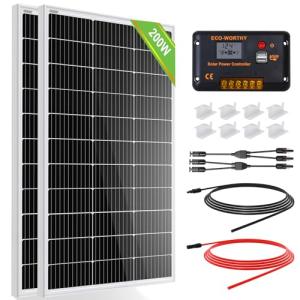
Next, it’s time to gather all your equipment. You’ll need solar panels, an inverter, mounts, and wiring. If you’re not sure what you need, a good starter kit usually comes with everything. If you’re going the DIY route, make sure you follow the instructions closely.
Once you have everything, start with the mounting. Securely attach the mounts to your roof, making sure they’re spaced correctly. After that, it’s all about placing the panels on those mounts and connecting the inverter. Once everything’s in place, do a quick check to ensure all the wiring looks good.
Finally, it’s time to connect your system to the grid. You may need an electrician to help with this step if you’re unsure. After that, you can sit back and enjoy the benefits of your solar panel installation!