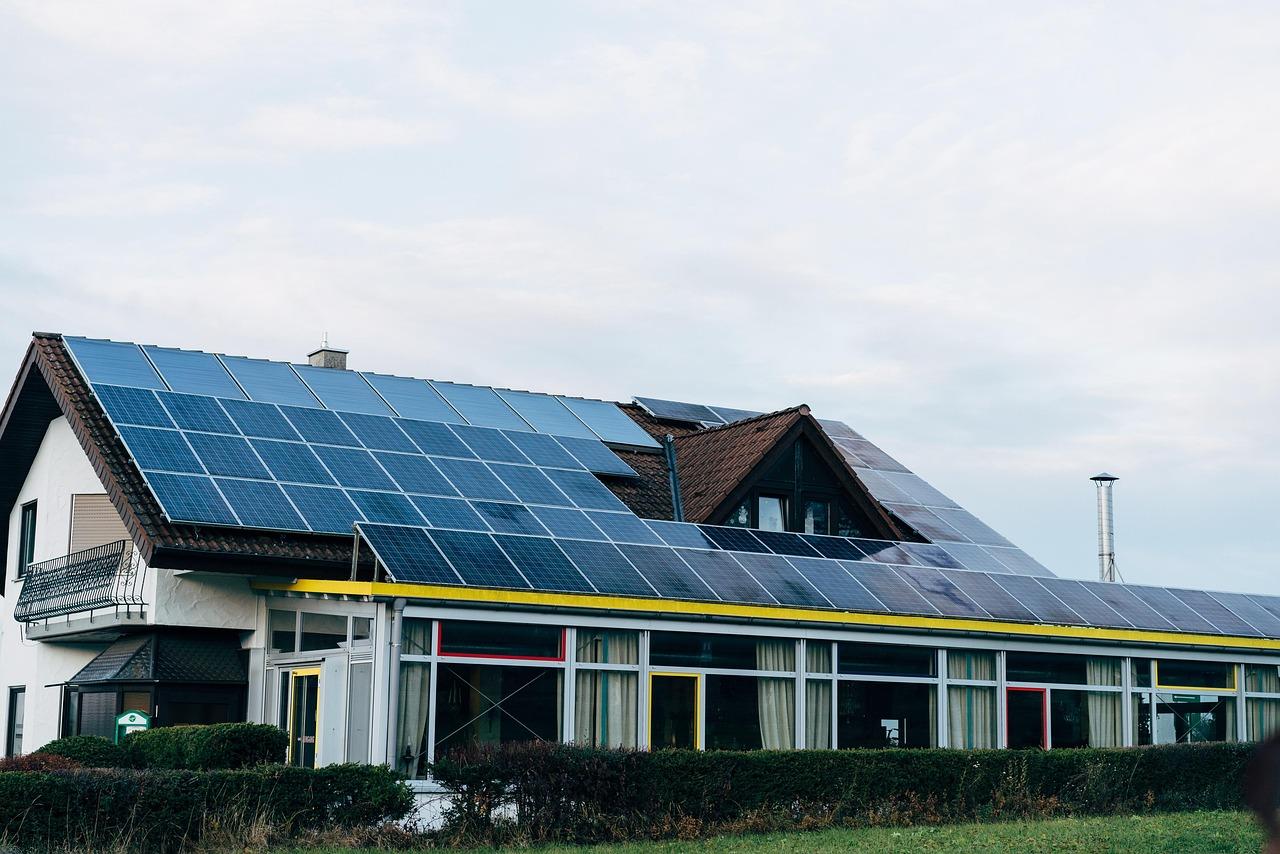
When it comes to solar panel installation, choosing the right type of solar panel is key to getting the most out of your investment. You’ll want to think about your space, budget, and energy needs before making a decision. There are a few main types of solar panels to consider: monocrystalline, polycrystalline, and thin-film. Each has its pros and cons.
Monocrystalline panels are like the overachievers of the solar world. They’re super efficient and take up less space, so if you’re working with a smaller roof, this is a great option. Plus, they look sleek and modern! Keep in mind, though, they can be a bit pricier.
On the flip side, polycrystalline panels are usually more wallet-friendly. They might be a little less efficient than monocrystalline panels, but they still get the job done well. If you have a bit more space and want to save some cash, these panels could be just right for your solar panel installation.
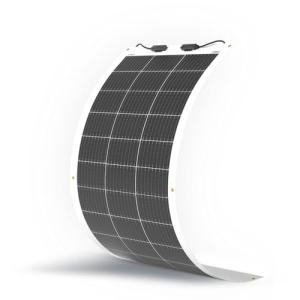
Then there are thin-film panels, which are lightweight and flexible. They can be a good choice if you have unique space constraints or need to install them on different surfaces. However, they tend to have lower efficiency, so you might need a larger area for the same amount of power output.
Consider your specific needs and do a little research before jumping in. After all, the right choice can make all the difference in your solar panel installation success!
Preparing Your Roof for Installation
Ready to go solar? Great choice! But first, let’s talk about preparing your roof for solar panel installation. Getting your roof in tip-top shape can make a big difference in the overall process and efficiency of your solar system.
Check your roof’s condition. If it’s older or showing signs of damage, you might want to repair or even replace it before the panels go up. Installing solar panels on a shaky or leaky roof can lead to headaches down the road. You want a solid base that will last for years—especially since solar panels are a long-term investment.
Next, think about the orientation and angle of your roof. South-facing roofs usually get the most sun, which means more energy for you. If your roof faces east or west, that's fine too, but you’ll want to do some research or talk to a pro to optimize placement. The angle also matters; a tilt can help catch the sun’s rays more effectively. Getting this right can boost your energy production.
Finally, clear the area around your roof. Trim any overhanging branches and clear debris. This not only makes installation easier but also helps keep your panels clean and efficient once they’re up. A clean rooftop means more sun exposure and better energy generation.
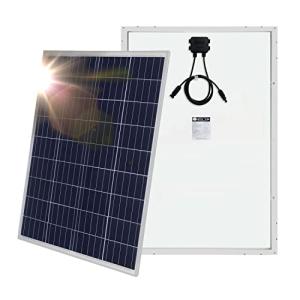
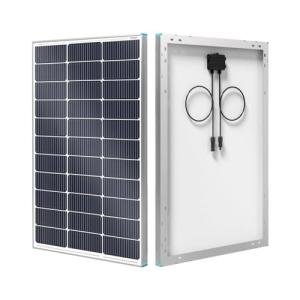
Mighty Max 100W 12V Waterproof Solar Panel Charger
Harness the power of the sun with this durable and efficient solar panel charger designed for all your outdoor energy needs
Product information
$101.83
Product Review Score
4.79 out of 5 stars
43 reviewsProduct links
Understanding the Installation Process
Once you’ve figured that out, it’s time to choose a trustworthy installer. Look for someone with good reviews and experience. Having a professional handle the Solar Panel Installation means you can sit back and relax while they take care of the nitty-gritty details. They’ll help make sense of all the permits and paperwork you’ll need to get started.
Next on the list is the actual installation day. The installer will check your roof’s condition first, making sure it's ready for the panels. Then, they’ll mount the panels, connect them to the inverter, and ensure everything is working properly. The process usually takes a day or two, depending on your system size.
After everything is installed, you’ll need to undergo a final inspection. It’s a bit like a health check-up for your new solar setup! Once it passes, you’re ready to start enjoying those clean, renewable energy savings. Simple as that!
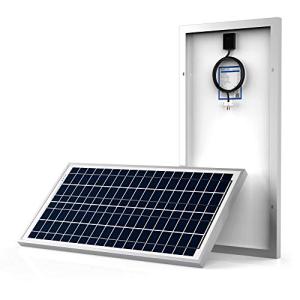
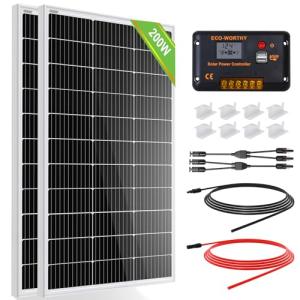
ACOPOWER 35W Poly Solar Panel for Off-Grid Use
Harness the power of the sun for your off-grid adventures with this highly efficient and portable solar panel
Product information
$54.52
Product Review Score
4.28 out of 5 stars
151 reviewsProduct links
Maximizing Solar Efficiency and Performance
To get the most out of your solar system, you need to focus on maximizing efficiency and performance. It all starts with proper placement during solar panel installation. Make sure you position the panels where they can soak up the most sunlight, like south-facing rooftops or open areas free from shade. Even a little shadow can impact energy production, so keep trees and buildings in mind!
It’s also essential to choose the right solar panels for your needs. Not all panels are created equal. Look for high-efficiency models that convert more sunlight into energy. While they may come with a higher price tag, you'll save more on energy bills in the long run. Plus, consider how much energy you consume daily. This info will help you select the right size and capacity for your system.
Regular maintenance can make a big difference too. Clean your panels periodically to remove dirt, leaves, or dust that could block sunlight. Rain often does a great job of this, but a quick wash every now and then helps keep things running smoothly. Keep an eye on your energy output; if you notice a dip, it might be time to check for issues.
If you're looking to take it up a notch, integrate energy storage solutions like batteries into your solar panel installation. Storing excess energy lets you use it later, especially during nighttime or cloudy days. This setup increases your efficiency and gives you more control over your energy use.