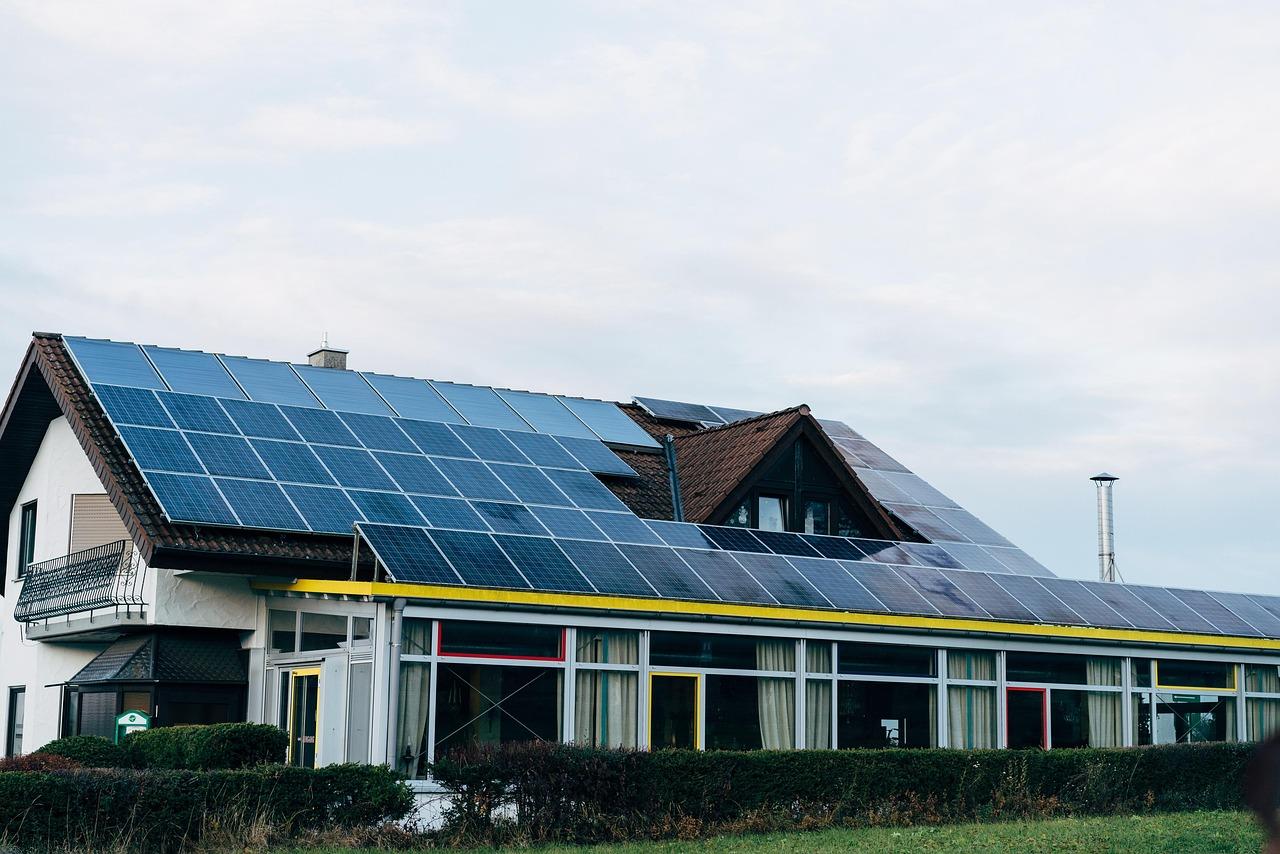
When you're looking for the best solar panels, it’s all about the features that make them stand out. Here's what to keep an eye out for:
Efficiency: Look for panels with high efficiency ratings. This means they convert more sunlight into electricity. The higher the efficiency, the fewer panels you’ll need to cover your energy needs. So, if roof space is limited, investing in efficient panels pays off.
Durability: Great solar panels can handle whatever Mother Nature throws at them. Check the warranty period, as good panels usually come with a solid warranty, often around 25 years. That’s a sign they’re built to last. Also, panels should be able to withstand strong winds and hail.
Temperature Coefficient: This is a big deal! It tells you how well a panel performs in hot weather. A lower temperature coefficient means less efficiency loss as temperatures rise. This is crucial if you live in a sunny area, where heat can affect performance.
Brand Reputation: Not all brands are created equal. Do your homework and read reviews. The best solar panels come from trusted manufacturers with great customer service. You want support if you run into any issues down the road.
By focusing on these top features, you can easily find the best solar panels that meet your needs and give you the best return on investment!
How to Choose the Right Solar Size
Choosing the right solar panel size can feel overwhelming, but it doesn’t have to be. Start by figuring out how much energy you use every month. Look at your electricity bills for the past year and find your average usage in kilowatt-hours (kWh). This number is your starting point. The best solar panels for your home should cover most, if not all, of that energy need.
Next, think about where you’ll install your panels. Do you have a sunny roof? Or maybe a yard that gets plenty of sunlight? More sun means more energy production, which can reduce the size of the system you need. If you’ve got limited space, you might want to consider higher-efficiency panels. They might cost a bit more, but they make up for it by generating more energy in a smaller area.
Once you know your energy needs and installation space, you can start comparing solar panel sizes. Typically, residential systems range from 3kW to 10kW. A 3kW system may cover a small household, while a larger home might need something around 5kW to 7kW. Always think about your future plans too—if you’re considering expanding your family or adding more devices, factor that into your decision.
Finally, don’t forget about local incentives and rebates. Some places offer great deals that can help lower the cost of installing the best solar panels. Research what’s available in your area, as it might give you the extra push to choose a larger system that can serve your household needs for years to come.
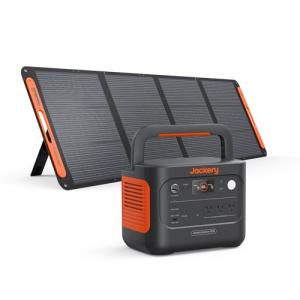
Jackery Solar Generator 1000 v2 with 200W Panel
Power up your adventures and home with this compact solar generator that’s perfect for camping or backup energy needs
Product information
$649.00
Product Review Score
4.49 out of 5 stars
224 reviewsProduct links
Understanding Solar Panel Efficiency Ratings
When you’re diving into the world of solar panels, one of the key factors to look at is efficiency ratings. This number tells you how well a panel converts sunlight into usable energy. Simply put, higher efficiency means you get more power from the same amount of sunlight.
Most panels on the market today range from around 15% to over 22% efficiency. If you want to get the best bang for your buck, aim for panels that sit higher in that range. They may cost a bit more upfront, but they'll generate more electricity over time, which can really pay off in the long run.
It’s also worth noting that efficiency can vary depending on the type of solar panel you choose. Monocrystalline panels typically offer better efficiency, making them a solid choice for homeowners with limited roof space. On the other hand, polycrystalline panels are often cheaper but may take up more space to produce the same energy.
Pay attention to the real-world performance of these panels as well. Sometimes, manufacturers advertise high efficiency ratings, but actual performance can lag. Reading user reviews and checking independent tests can give you a clearer picture of which solar panels really are the best solar panels for your home.
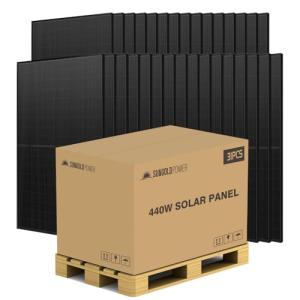
SUNGOLDPOWER 440W N-Type Monocrystalline Solar Panel
Efficient solar power for your home or business with a sleek design and long-lasting durability
Product information
$5,228.00
Product Review Score
4.41 out of 5 stars
45 reviewsProduct links
Installing Solar Panels Made Easy
Thinking about installing solar panels? It sounds like a big task, but it’s a lot easier than you might think. Let's break it down. First, you'll want to find the best solar panels that fit your home’s needs. Look for panels that not only have a great efficiency rating but also a solid warranty. This investment pays off in the long run.
Once you’ve picked your panels, the installation process typically starts with a site assessment. This helps determine the best placement for maximum sunlight exposure. A professional can help with this, or if you’re feeling adventurous, you can research DIY options. Just make sure you feel comfortable working on your roof!
Next up is mounting the panels. Using the right hardware is key. Many systems come with a mounting kit, but double-check that everything matches your roof type. You’ll want secure installation to handle all weather conditions. Then, it’s time to connect your panels to the inverter. This device converts sunlight into usable electricity for your home. If you’re unsure, call in an expert to handle this part.
Once everything is installed, don’t forget about the final inspection. Some areas require this to ensure safety and compliance. After that, you can kick back and enjoy the benefits of the best solar panels. It’s super satisfying to know you're generating clean energy and saving on your electricity bills!