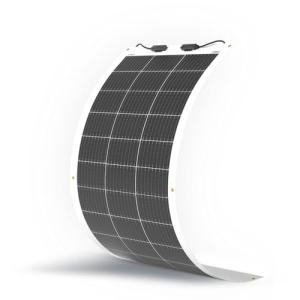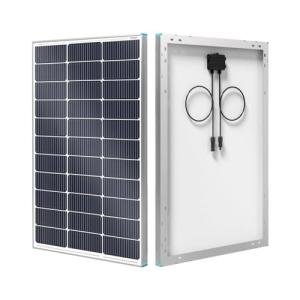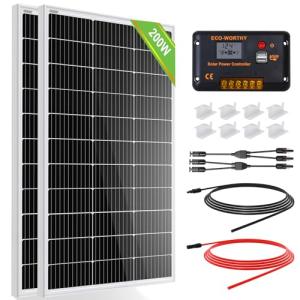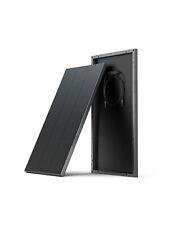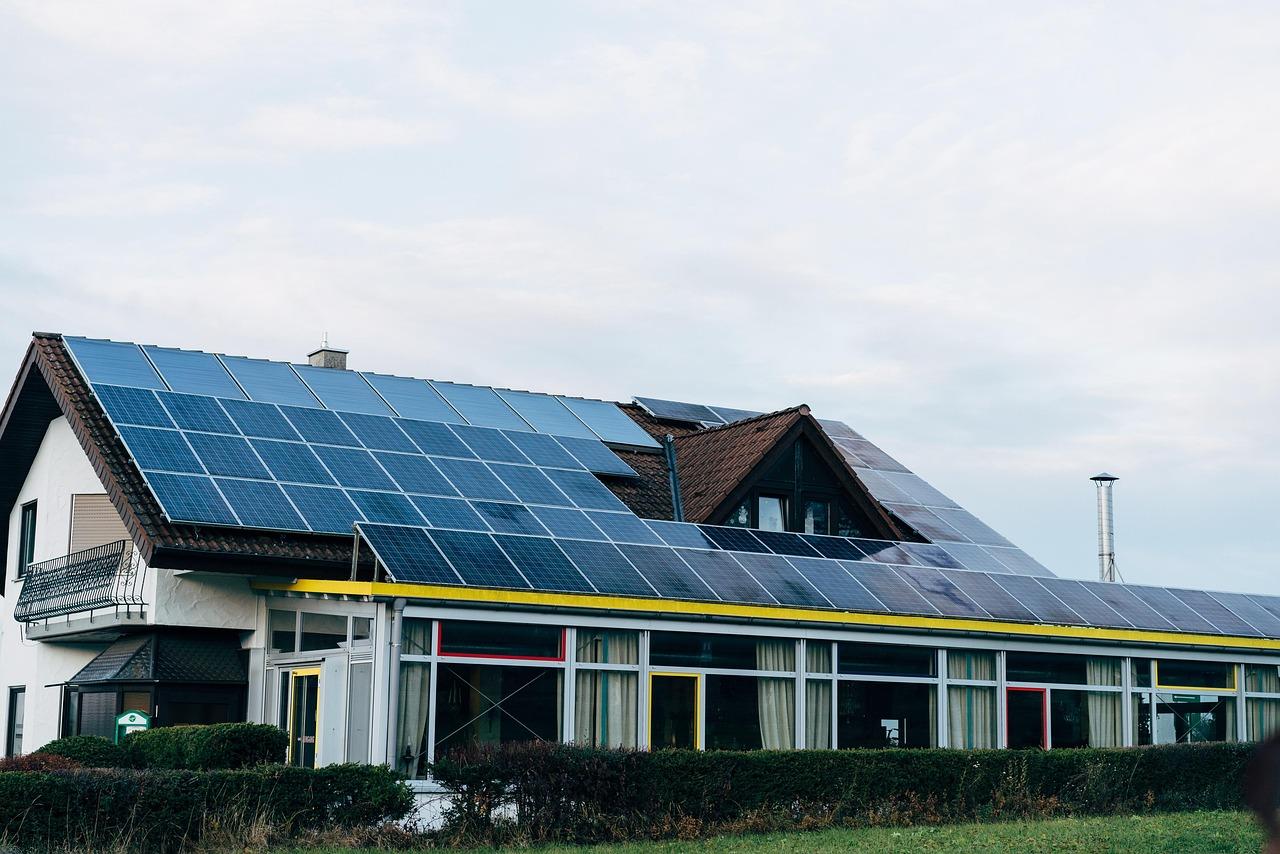
Getting to know the basics of solar panels can make your Solar Panel Installation process a whole lot easier. So, let’s break it down. Solar panels are devices that capture sunlight and convert it into electricity. They’re made up of many smaller units called solar cells, which work together to generate power. Understanding how these components function can help you make smarter decisions when planning your installation.
There are two main types of solar panels: monocrystalline and polycrystalline. Monocrystalline panels are made from single crystals of silicon, which makes them super efficient and a favorite for many homeowners. They take up less space and perform well in low-light situations. On the flip side, polycrystalline panels, made from multiple silicon crystals, are generally less expensive but may require more space. Knowing the difference can guide you in choosing the right panels for your home.
When you start your Solar Panel Installation, it’s also important to consider your roof’s direction and angle. Ideally, south-facing roofs get the most sunlight, but east and west orientations can still produce good energy. The angle can influence how much sunlight your panels receive throughout the day, so check your roof’s setup. If your roof isn’t ideal, don’t fret—ground-mounted systems are a great alternative.
Lastly, think about the overall system you’ll need for your installation. You’ll require more than just panels; an inverter converts the solar energy into usable electricity. You’ll also want some batteries if you’re looking to store energy for later use. Be sure to factor in all these parts when planning your solar journey.
Steps to Prepare for Installation
Getting ready for solar panel installation can feel a bit overwhelming, but breaking it down into steps makes it easier. Here’s how you can prepare like a pro.
First, check if your roof is ready for solar panels. Look for any damage, and make sure it can handle the installation. A solid roof is key because you want those panels to stay put for years. If your roof is a bit worn out, consider fixing it before going solar.
Next, figure out how much energy you use. Take a peek at your electricity bills to see your monthly usage. This helps you understand how many panels you'll need. When you know your energy needs, it becomes way easier to size your solar panel system.
Then, get quotes from different installation companies. Don’t settle for the first one you find. Look for a couple of options, compare prices, and read reviews. You want a trustworthy installer who knows their stuff and offers good customer service. Ask about warranties, too; you want to feel confident about your investment.
Finally, talk to your neighbors or check local regulations. Some areas have specific rules about solar panel installation that you need to know. Plus, your neighbors might have great tips or personal experiences that can help you make the right choice. Getting informed will set you up for a smooth solar panel installation process.
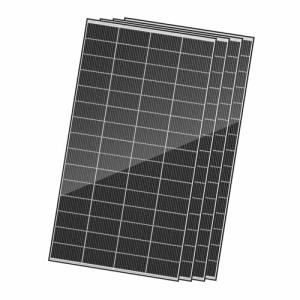
Renogy 320W Monocrystalline Solar Panels - 4 Pack
Elevate your energy game with these powerful and efficient solar panels that help save on bills and reduce your carbon footprint
Product information
$1,099.99
Product Review Score
4.72 out of 5 stars
138 reviewsProduct links
Installing Solar Panels Made Easy
Installing solar panels can seem like a big task, but it’s actually pretty straightforward! With a bit of planning and the right tools, you can get your solar panels up and running without a hitch.
First things first, you’ll want to choose the right spot for your panels. Look for a roof that gets plenty of sunlight throughout the day. If you have trees that cast shadows, it might be worth trimming them back. The more sunlight your panels soak up, the more energy you’ll generate!
Next, gather your materials. You'll need solar panels, mounting brackets, and an inverter (this converts the electricity your panels generate into usable power for your home). A basic toolkit with drills, wrenches, and safety gear should also be on your list. Getting everything ready ahead of time makes the actual installation a breeze.
When it's time to install, start with the mounting brackets. These need to be securely attached to your roof; make sure they’re level and spaced correctly for the size of your panels. Once the brackets are in, it's time to lift those panels up and latch them into place! An extra set of hands can really help here.
Finally, connect the inverter and the wiring. Follow the manufacturer's instructions carefully for this part. If everything’s done right, you’ll be ready to harness the sun’s energy in no time. Just think about those lower energy bills and doing your part for the environment!
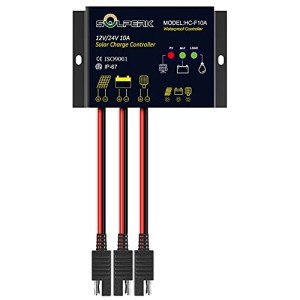
SOLPERK 10A Waterproof Solar Charge Controller 12V/24V
Take control of charging your batteries with this reliable and waterproof solar charge controller
Product information
$26.99 $19.99
Product Review Score
4.59 out of 5 stars
128 reviewsProduct links
Final Tips for a Successful Setup
Getting your solar panel installation right can make all the difference in how much energy you generate and save. Before you dive into the setup, keep these final tips in mind to ensure everything runs smoothly.
First off, check your roof condition. If it’s not in great shape, consider doing repairs before installing solar panels. You don’t want to deal with leaks or issues later. Also, think about your roof's orientation. South-facing roofs usually catch the most sunlight, but east and west can work well, too.
Next, plan your layout carefully. This means accounting for possible shading from trees, buildings, or chimneys. If something’s blocking sunlight at certain times of the day, it can affect energy output. Use software or apps to visualize how sunlight hits your roof throughout the year. This can help you figure out the best positioning for your solar panels.
Don't forget about wiring and connections. Make sure to use high-quality materials and double-check your connections for safety. If you're not comfortable with electrical work, don’t hesitate to bring in a pro. A mistake here can lead to poor performance or even safety hazards.
Lastly, keep up with maintenance. Solar panels are pretty low-maintenance, but giving them a good clean every now and then helps. Dust, dirt, and debris can block sunlight and reduce efficiency. Just a quick rinse with a hose can do wonders. Stay proactive, and your solar panel installation will keep saving you money for years to come!