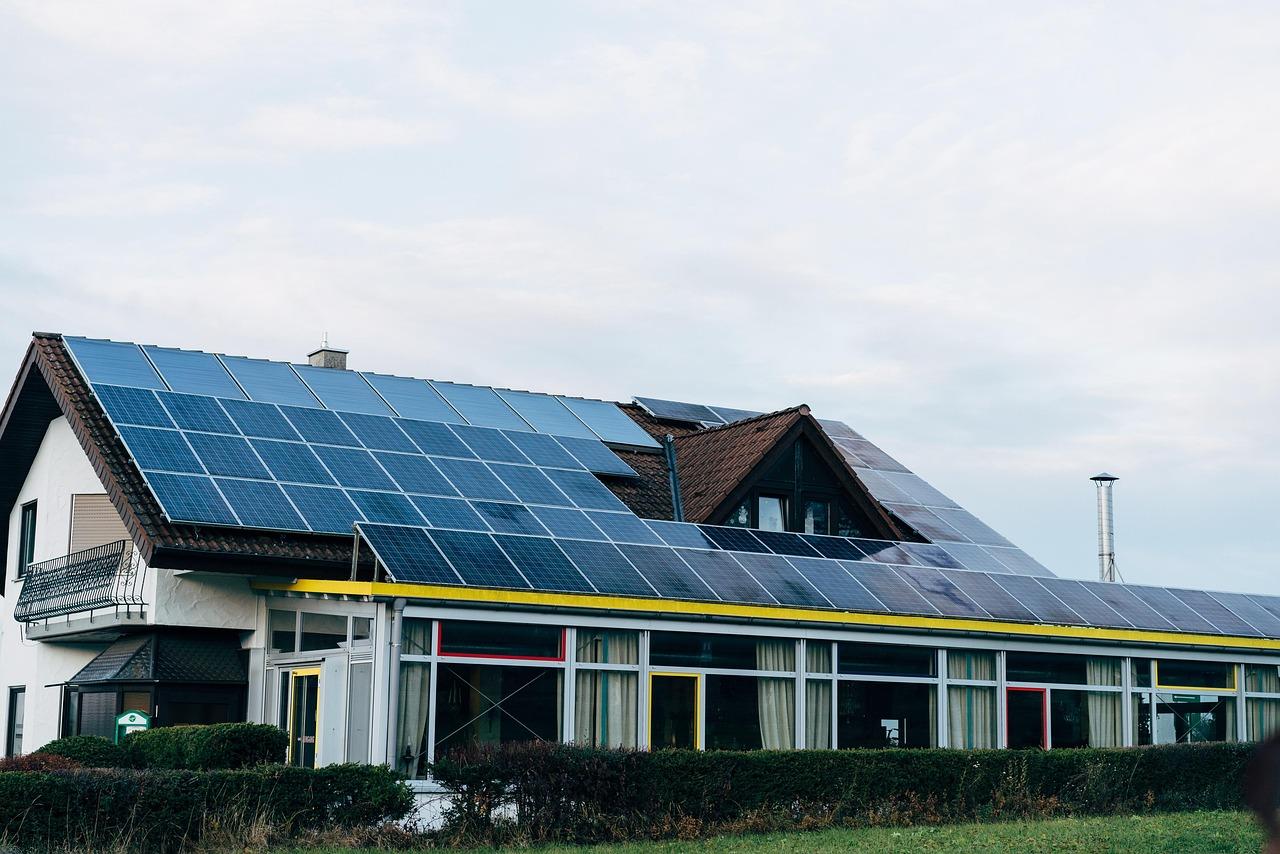
Getting into solar panel installation is easier than you might think. Many people worry about the process, but with a little guidance, you'll be on your way to harnessing the power of the sun. Let's break it down step by step.
First off, you'll want to figure out how much energy you need. Take a look at your electricity bills to see your average usage. This will help you decide how many panels you'll need. Usually, installing a solar system means considering your roof space and the type of panels you want. Don't worry; there’s a range of options for any budget!
Next, check your roof's condition and direction. Ideally, solar panels should face south to catch the most sunlight. If your roof doesn’t fit the bill, no sweat! You can still go for ground-mounted systems. Just make sure the area you choose gets plenty of sunlight throughout the day.
After deciding on the right setup, it’s time to think about permits. Most areas require some form of permission before you install your solar panels. This is where working with a professional installer can save you time and headaches. They usually handle the paperwork and make sure everything meets local codes.
Lastly, once your system is up and running, you’ll want to monitor its performance. Many modern solar systems come with apps or online platforms where you can track energy production. Keeping an eye on things will help you know when maintenance is needed and ensure your solar panel installation continues to work at its best!
Choosing the Right Solar Panels for You
Choosing solar panels can feel overwhelming, but it doesn’t have to be. First off, think about the size of your space and your energy needs. Are you powering a small home or a larger property? The number of panels you'll need depends on your electricity consumption and how much sunlight your location gets. A quick energy audit can help you figure this out.
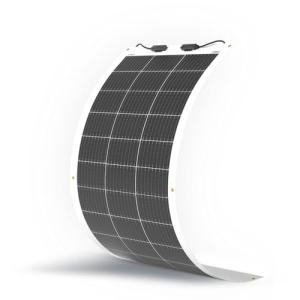
Look into the different types of solar panels available. There are three main types: monocrystalline, polycrystalline, and thin-film. Monocrystalline panels are more efficient and take up less space, but they can be pricier. Polycrystalline panels are affordable and great for larger setups, while thin-film panels are light and flexible, but usually less efficient. Consider what fits best with your budget and needs.
Pay attention to warranties and lifespan when making your choice. A good solar panel can last 25 years or more, so it’s worth investing in a brand that stands behind its products. Check how long their warranty lasts and what it covers. This shows you the quality and reliability of their panels.
Finally, think about your installation options. Some companies offer complete service packages that cover everything from picking the right panels to installation and maintenance. This can simplify the process and give you peace of mind. Look for local installers who have good reviews and experience with solar panel installation.
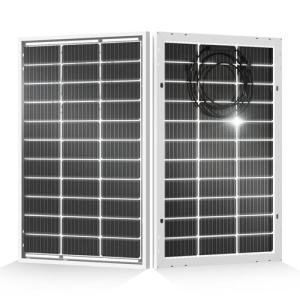
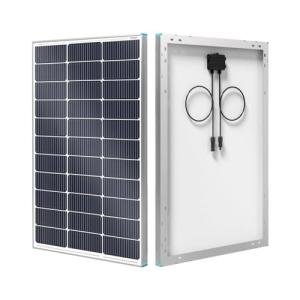
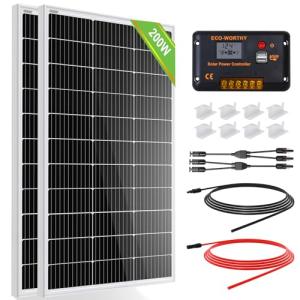
ECO-WORTHY 100W Bifacial Monocrystalline Solar Panels
Maximize your energy output with these efficient and versatile solar panels that harness sunlight from both sides
Product information
$109.99
Product Review Score
4.28 out of 5 stars
179 reviewsProduct links
Step by Step Installation Process
Installing solar panels might sound tricky, but it's pretty straightforward when you break it down. Here’s a simple step-by-step guide to help you with your solar panel installation.
First up, you need to choose the right spot for your panels. Look for a sunny area on your roof—ideally, it should be free from trees or buildings that cast shadows. Make sure your roof can handle the weight of the panels. Once you've picked a spot, gather all your tools and materials, including the solar panels, mounting brackets, and wiring.
Next, it's time to mount the brackets. Secure them to your roof using lag bolts. Follow the manufacturer's guidelines for spacing and alignment. After the brackets are in place, carefully lift the solar panels and attach them to the brackets. Make sure everything is tight and secure. This step is crucial for the longevity of your solar panel installation.
Now, let’s talk wiring! Connect the panels using solar cables, following the instructions provided. You’ll typically connect positive leads to positive and negative to negative. Take your time with this—it's important for the system to work correctly. Once everything is connected, use electrical tape to secure any loose ends and protect your connections.
Finally, connect your solar panel system to the inverter, which converts the electricity from the panels to a usable form for your home. Once everything is hooked up, double-check your work. Once you're confident, flip the switch, and enjoy the power of the sun! With this guidance, solar panel installation can be a fun DIY project.
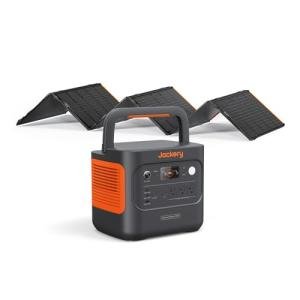
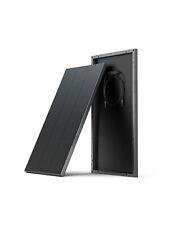
Jackery Explorer 2000 Solar Generator with 500W Panel
Power your adventures and keep your devices charged with this portable solar generator and efficient solar panel combination
Product information
$1,499.00
Product Review Score
4.14 out of 5 stars
47 reviewsProduct links
Maintaining Your Solar Panels Easily
Keeping your solar panels in tip-top shape doesn’t have to be a chore. With a little care, they’ll last you a long time. Plus, maintaining your panels is a breeze if you stick to some basic steps!
First things first, regular cleaning is key. Dust, dirt, and bird droppings can block sunlight and lower your system's efficiency. Aim to rinse your panels with water every few months, especially if you live in a dusty area. A simple hose or a soft brush can do wonders. Just make sure to do this when the panels are cool, like in the morning or evening.
Next, keep an eye out for any shading. Trees or new buildings might pop up and cast a shadow on your panels over time. If you notice this happening, it might be worth trimming those trees or considering a different installation angle during future Solar Panel Installation. Every bit of sunlight counts!
Finally, don’t forget about regular inspections. Check for any cracks or loose connections at least once a year. If something looks off, it’s better to call in a professional than to take any chances. This way, you can catch small issues before they turn into major problems.